Hydrochloric Acid → HCID 19069264, compound
Reaction equation

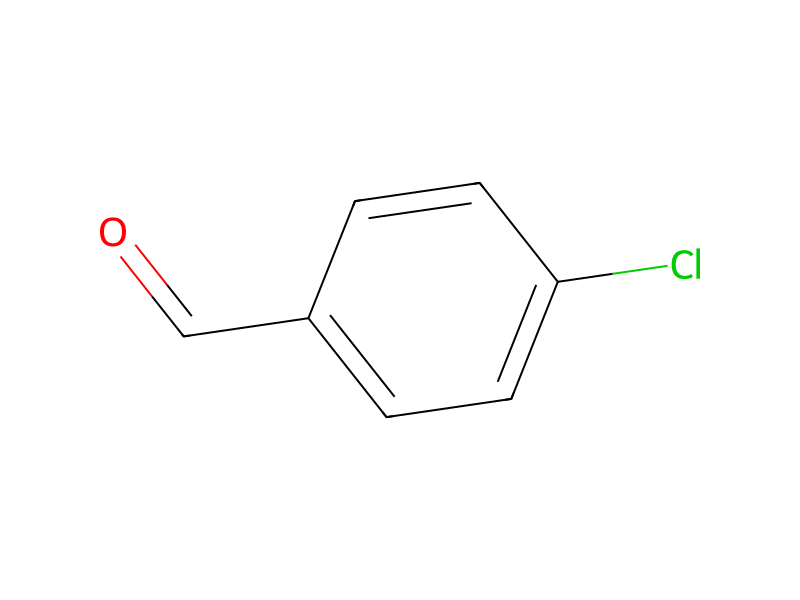
[Cl:1][C:2]1[CH:9]=[CH:8][C:5]([CH:6]=O)=[CH:4][CH:3]=1.[CH2:10]([NH2:17])[C:11]1[CH:16]=[CH:15][CH:14]=[CH:13][CH:12]=1.Cl.[BH3-]C#N.[Na+]>ClCl.CO.C(O)(=O)C>[ClH:1].[CH2:10]([NH:17][CH2:6][C:5]1[CH:8]=[CH:9][C:2]([Cl:1])=[CH:3][CH:4]=1)[C:11]1[CH:16]=[CH:15][CH:14]=[CH:13][CH:12]=1Participants







Procedure
To 4-chlorobenzaldehyde (1.5 g, 10.7 mmol) dissolved in 40 mL CH2 Cl2 was added benzylamine (1.15g, 10.7 mmol) followed by 1 mL of 6N HCl. The resulting cloudy solution was stirred overnight at room temperature and then concentrated in vacuo to give a white solid. The solid was immediately dissolved in 50 mL of MeOH and the pH of the solution was adjusted to 6 with glacial acetic acid. To this solution was added NaCNBH3 (0.67 g, 10.7 mol), and the resulting clear solution was stirred three hours at room temperature. The mixture was acidified to pH 2 with 6M HCl whereupon a thick white slurry developed. The solid was stirred for 30 minutes and filtered, yielding the title compound as a white solid. 1H NMR δ(DMSO-d6, 300 MHz) δ4.1-4.2 (broad multiplet, 4H), 7.4-7.6 (m, 9H). MS (DCl/NH3) m/e 232 (M+H)+.
Workup
- concentrationconcentrated in vacuo
- customto give a white solid
- stirringthe resulting clear solution was stirred three hours at room temperature
- stirringThe solid was stirred for 30 minutes
- filtrationfiltered
Sources & evidence
- ORD record
- ord-5c41679d1f3341c3950ba3ef4d587268
- Source dataset
- uspto-grants-1998_07
- Patent number
- US05783593
Reaction notes
Loading…