Methane → 1-(4-(Benzyloxy)-3-nitrophenyl)piperazine
Reaction equation

Br[C:2]1[CH:7]=[CH:6][C:5]([O:8][CH2:9][C:10]2[CH:15]=[CH:14][CH:13]=[CH:12][CH:11]=2)=[C:4]([N+:16]([O-:18])=[O:17])[CH:3]=1.[NH:19]1[CH2:24][CH2:23][NH:22][CH2:21][CH2:20]1.C(=O)([O-])[O-].[Cs+].[Cs+].C1(P(C2C=CC=CC=2)C2C=CC3C(=CC=CC=3)C=2C2C3C(=CC=CC=3)C=CC=2P(C2C=CC=CC=2)C2C=CC=CC=2)C=CC=CC=1.C>O1CCOCC1.C([O-])(=O)C.[Pd+2].C([O-])(=O)C>[CH2:9]([O:8][C:5]1[CH:6]=[CH:7][C:2]([N:19]2[CH2:24][CH2:23][NH:22][CH2:21][CH2:20]2)=[CH:3][C:4]=1[N+:16]([O-:18])=[O:17])[C:10]1[CH:15]=[CH:14][CH:13]=[CH:12][CH:11]=1Participants
Reactant 5


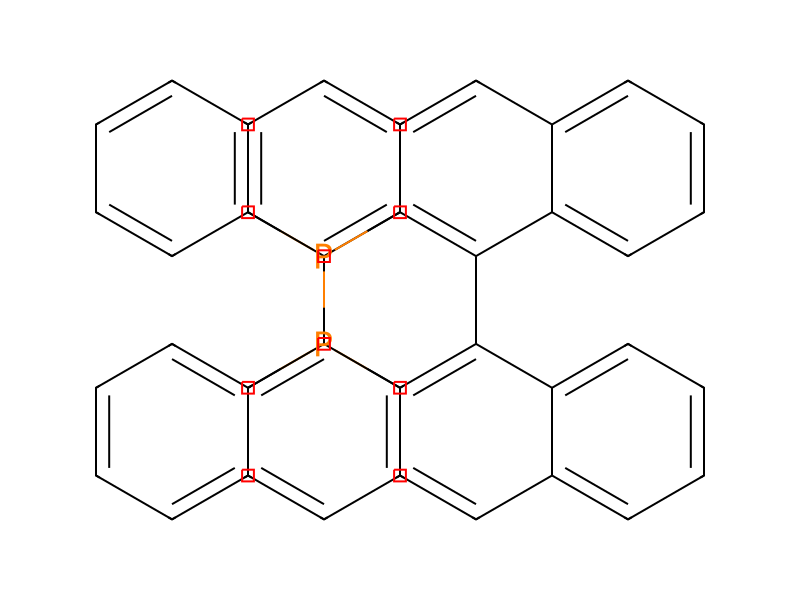

Product 1

Reagents, catalysts & solvents 2


Conditions
- Temperature
- 100 °C
Procedure
To a solution of 4-bromo-2-nitro-1-[(phenylmethyl)oxy]benzene (3.08 g, 10 mmol) in dioxane (60 ml) was added piperazine (2.58 g, 30 mmol) followed by cesium carbonate (4.8 g, 15 mmol), rac-2,2′ bis(diphenylphosphino)-1,1′-binapthyl (0.311 g, 0.5 mmol) and palladium acetate (0.112 g, 0.5 mmol). The resulting mixture was heated at 100° C. under an atmosphere of argon overnight. The mixture was allowed to cool, charcoal was added and the mixture stirred at room temperature for 30 minutes. The solids were then removed by filtration through celite and the residue washed with ethyl acetate. The filtrate was then reduced in vacuo and the residue was purified by flash column chromatography gave 1-(4-(benzyloxy)-3-nitrophenyl)piperazine which was used for next step without further purification.
Workup
- temperatureto cool
- customThe solids were then removed by filtration through celite
- washthe residue washed with ethyl acetate
- customthe residue was purified by flash column chromatography
Sources & evidence
- ORD record
- ord-4aa3a571394b4e1c98d546bc8d7f1ed0
- Source dataset
- uspto-grants-2013_04
- Patent number
- US08420640B2
Reaction notes
Loading…