Benzoic Acid → 4-Isopropylbenzoyl chloride
Reaction equation

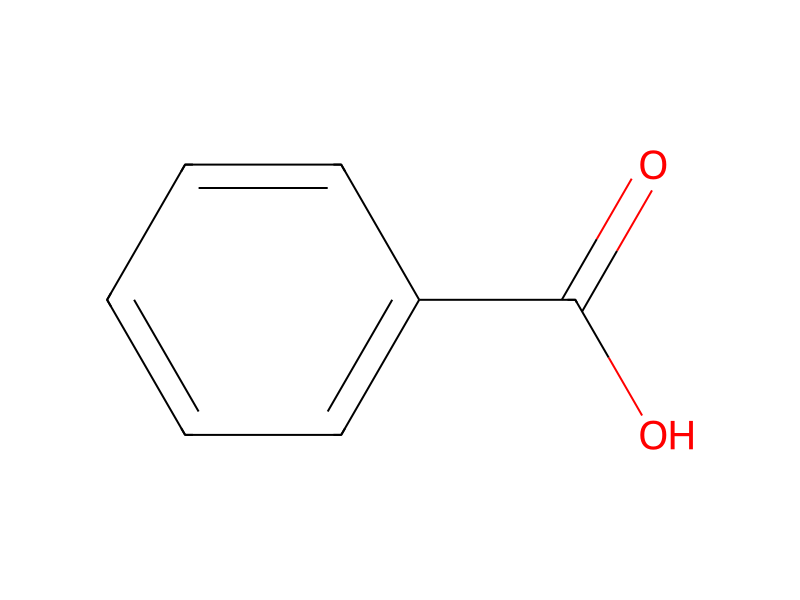
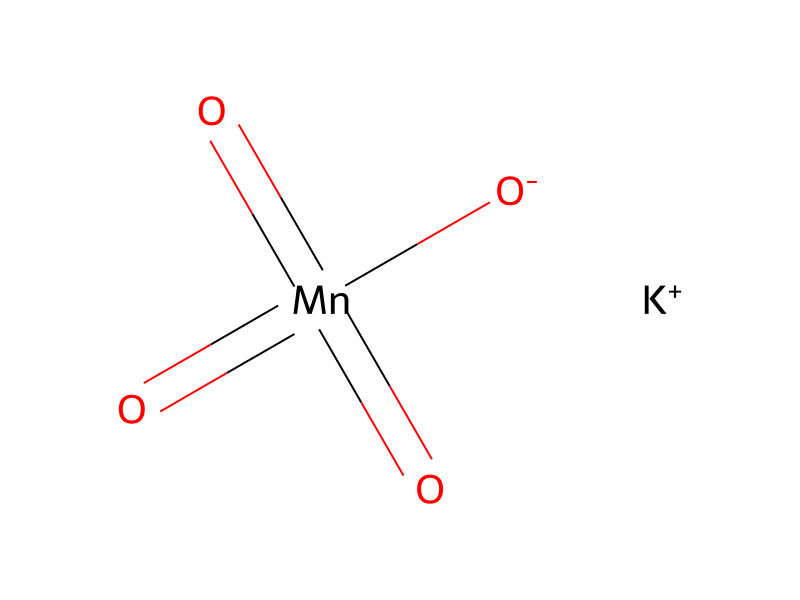
[CH:1]([C:4]1[CH:11]=[CH:10][C:7]([CH:8]=[O:9])=[CH:6][CH:5]=1)([CH3:3])[CH3:2].C(O)(=O)C1C=CC=CC=1.[Mn]([O-])(=O)(=O)=O.[K+].S(Cl)([Cl:29])=O>S(=O)(=O)(O)O.CN(C)C=O>[CH:1]([C:4]1[CH:5]=[CH:6][C:7]([C:8]([Cl:29])=[O:9])=[CH:10][CH:11]=1)([CH3:3])[CH3:2]Participants
7
Reactant 4


Product 1

Reagents, catalysts & solvents 2


Procedure
p-isopropylbenzaldehyde is oxidized to the corresponding benzoic acid by using potassium permanganate in sulfuric acid as the oxidizing agent at low temperature. The acid is converted to the acid chloride using thionyl chloride with a trace of dimethylformamide as a catalyst to give p-isopropylbenzoyl chloride.
Sources & evidence
- ORD record
- ord-62f40fb078594978a10936064201b5ba
- Source dataset
- uspto-grants-1976_12
- Patent number
- US03997539
Reaction notes
Loading…