2-Propenoic acid, 3-phenyl- → Coumarin
Reaction equation

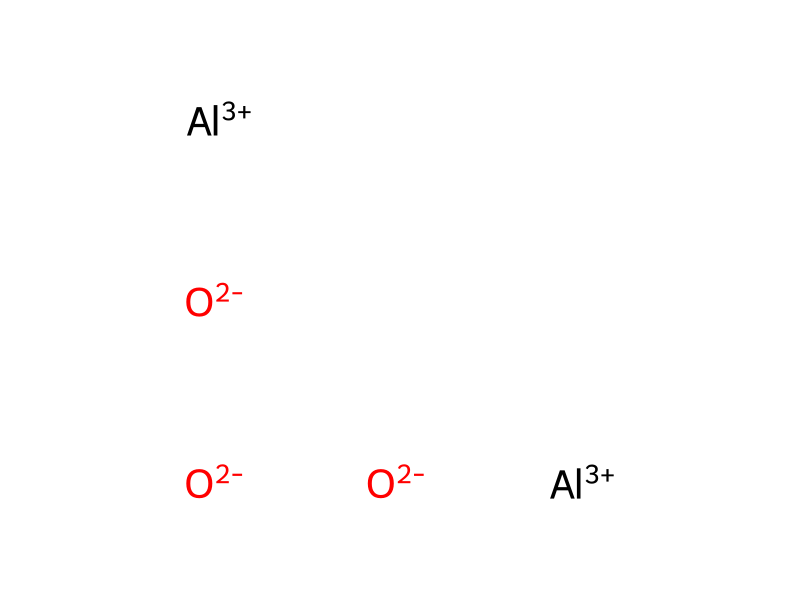
[CH:1]1[C:6](/[CH:7]=[CH:8]/[C:9]([OH:11])=[O:10])=[CH:5][CH:4]=[C:3](O)[CH:2]=1.[O-2].[O-2].[O-2].[Al+3].[Al+3].C(O)(=O)C=CC1C=CC=CC=1>[Pt].C(O)(=O)C>[O:10]1[C:5]2[C:6](=[CH:1][CH:2]=[CH:3][CH:4]=2)[CH:7]=[CH:8][C:9]1=[O:11]Participants
6
Reactant 3


Product 1

Reagents, catalysts & solvents 2

Conditions
- Temperature
- 100 °C
Procedure
To a stirred glass reactor is added 10 mmoles of coumaric acid, 0.5 mmoles of platinum composited on a gamma-alumina support and 60 grams of acetic acid. The reactor is heated to a temperature of 100° C. by means of an oil bath while effecting the reaction in a nitrogen atmosphere. At the end of 4 hours, it will be found that a major portion of the cinnamic acid is cyclized to form coumarin.
Workup
- customthe reaction in a nitrogen atmosphere
- customAt the end of 4 hours, it
Sources & evidence
- ORD record
- ord-7d8fa282fed947a0814dfe8ca0edde0a
- Source dataset
- uspto-grants-1976_12
- Patent number
- US03998851
Reaction notes
Loading…