4-Chlorophenol → 165383-52-8
Reaction equation

[Cl:1][C:2]1[CH:7]=[CH:6][C:5]([OH:8])=[CH:4][CH:3]=1.[N:9]1[N:13]2[C:14]([C@@H:18](O)[CH3:19])=[CH:15][CH:16]=[N:17][C:12]2=[N:11][CH:10]=1.C1(P(C2C=CC=CC=2)C2C=CC=CC=2)C=CC=CC=1.N(C(OC(C)C)=O)=NC(OC(C)C)=O.[Cl-].[Mg+2].[Cl-]>O1CCCC1>[Cl:1][C:2]1[CH:7]=[CH:6][C:5]([O:8][C@@H:18]([C:14]2[N:13]3[N:9]=[CH:10][N:11]=[C:12]3[N:17]=[CH:16][CH:15]=2)[CH3:19])=[CH:4][CH:3]=1Participants
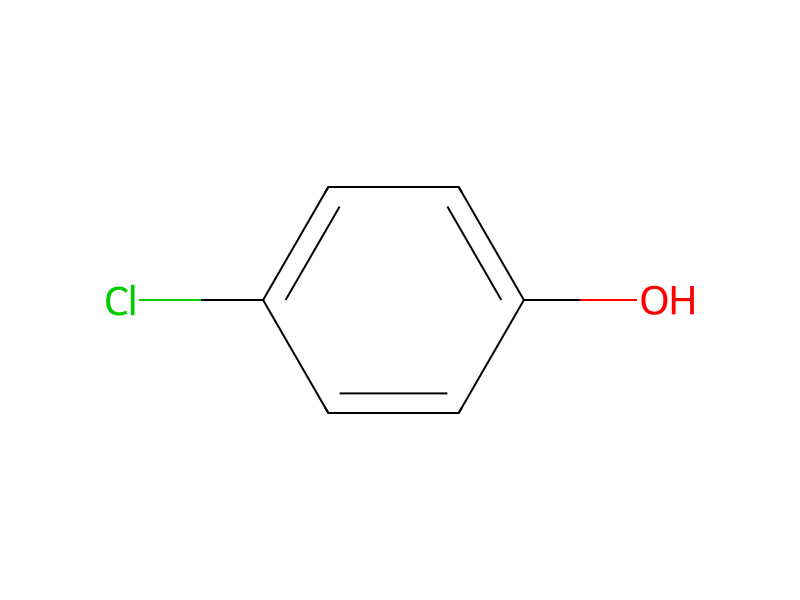





Conditions
- Temperature
- 7.5 °C
Procedure
A reactor was loaded with 4chlorophenol (2.89 kg), (S)-1-(1,2,4-triazolo[1,5-a]pyrimidin-7-yl)ethanol (3.69 kg), triphenylphosphine (5.9 kg) and tetrahydrofuran (69I). The suspension was cooled to 5-10° C. and diisopropyl azodicarboxylate (4.79 kg) was added over 2 hours. After complete addition of diisopropyl azodicarboxylate the solution was stirred while warming to ambient temperature. Magnesium chloride (anhydrous; 4.3 kg; ˜2 eq) was added and the reaction mixture was heated under reflux for 1 hour. Cooling to 10° C. yielded a suspension which was collected by filtration. The filter pad was washed with tetrahydrofuran (10 I). The mother liquor was refilled into the reactor and tetrahydrofuran replaced with toluene by distillation of inert diluent (100 I) and addition of toluene (100 I) at the same rate. When the inert diluent exchange was complete the solution was cooled to ambient temperature and extracted twice with water. The organic phase was separated, filtered, then charged to the reaction vessel. Toluene (64 I) was distilled off, propan-2ol (128 I) added, and the solvent mixture (123 I) was then distilled off. After this solvent exchange the reaction mixture was slowly cooled to ambient temperature for crystallization of the product. The product was filtered off and washed with propan-2-ol (10 I). (R)-7-[1-(4-chlorophenoxy)ethyl]-1,2,4-triazolo[1,5-a]pyrimidine, (2.29 kg) was isolated after drying in vacuo at 40° C. HPLC-analysis: 99.92%; chiral HPLC: ee=100%. No triphenylphosphine oxide was detectable by HPLC analysis.
Workup
- temperaturewhile warming to ambient temperature
- temperaturethe reaction mixture was heated
- temperatureunder reflux for 1 hour
- temperatureCooling to 10° C.
- customyielded a suspension which
- filtrationwas collected by filtration
- washThe filter pad was washed with tetrahydrofuran (10 I)
- additionThe mother liquor was refilled into the reactor and tetrahydrofuran
- distillationreplaced with toluene by distillation of inert diluent (100 I) and addition of toluene (100 I) at the same rate
- temperaturewas cooled to ambient temperature
- extractionextracted twice with water
- customThe organic phase was separated
- filtrationfiltered
- additioncharged to the reaction vessel
- distillationToluene (64 I) was distilled off
- additionpropan-2ol (128 I) added
- distillationthe solvent mixture (123 I) was then distilled off
- temperatureAfter this solvent exchange the reaction mixture was slowly cooled to ambient temperature for crystallization of the product
- filtrationThe product was filtered off
- washwashed with propan-2-ol (10 I)
Sources & evidence
- ORD record
- ord-23a570ae29ed489d881f7e0ef77fb027
- Source dataset
- uspto-grants-2001_05
- Patent number
- US06225469B1
Reaction notes
Loading…