Benzaldehyde → HCID 70228365, compound
Reaction equation

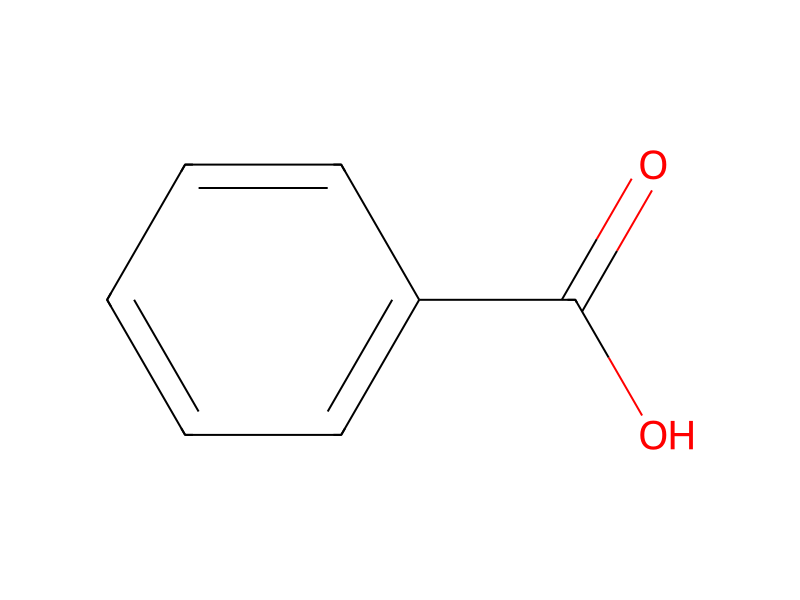
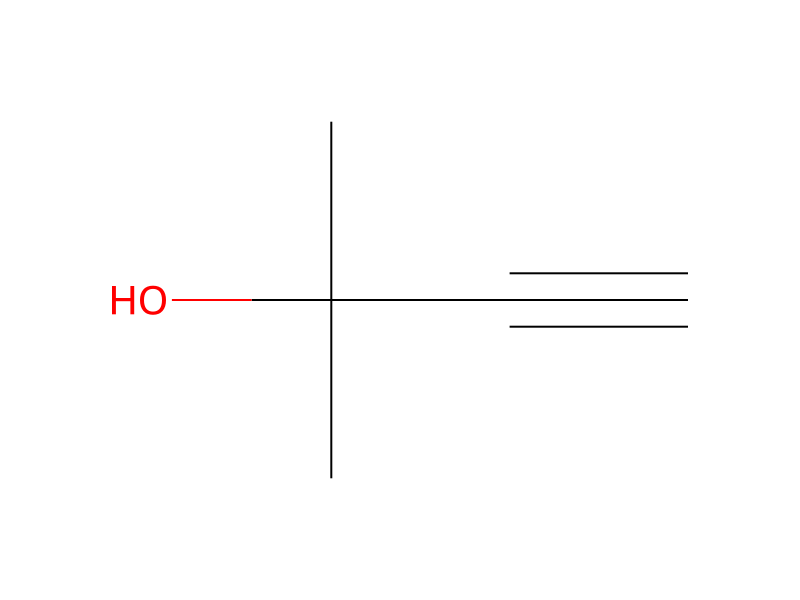
[CH:1](=O)[C:2]1[CH:7]=[CH:6][CH:5]=[CH:4][CH:3]=1.C(O)(=O)C1C=CC=CC=1.[CH:18](=[N:25]C1C=C(Br)C=CC=1)C1C=CC=CC=1.[CH3:33][C:34]([OH:38])(C#C)[CH3:35]>[Cu]I>[CH3:33][CH:34]([CH3:35])[OH:38].[NH2:25][C:18]#[C:1][C:2]1[CH:7]=[CH:6][CH:5]=[CH:4][CH:3]=1Participants
6




Procedure
The procedure was the same as in Example 2 using benzaldehyde free of benzoic acid, through the steps intended for the ex situ formation of the N-benzylidene 3-aminophenylbromide and the catalyzed reaction with 2-methyl-3-butyn-2-ol, with the exception that no benzoic acid was added. Upon the addition of the CuI, an apparent precipitation of Pd was observed (not seen in the procedure of Example 2). After several hours of reflux no reaction to form an aminophenylacetylene dimethylcarbinol, with or without the N-benzylidene moiety, could be observed by thin-layer chromatography.
Workup
- customan apparent precipitation of Pd
- temperatureAfter several hours of reflux
- customno reaction
Sources & evidence
- ORD record
- ord-edd910948d474ff3a5a4f6d4c93d7c93
- Source dataset
- uspto-grants-2001_05
- Patent number
- US06225499B1
Reaction notes
Loading…