Benzhydrol → 1,2-Epoxy-3-octanol
Reaction equation

[CH2:1]=[CH:2][CH:3]([OH:9])[CH2:4][CH2:5][CH2:6][CH2:7][CH3:8].C([OH:23])(C1C=CC=CC=1)C1C=CC=CC=1.ON1C(=O)C2=CC=CC=C2C1=O.O.O.O.FC(F)(F)C(C(F)(F)F)=O.FC(C1C=CC=CC=1)(F)F>C([O-])(=O)C.[Co+2].C([O-])(=O)C>[O:23]1[CH:2]([CH:3]([OH:9])[CH2:4][CH2:5][CH2:6][CH2:7][CH3:8])[CH2:1]1Participants
7




Conditions
- Temperature
- 60 °C
Procedure
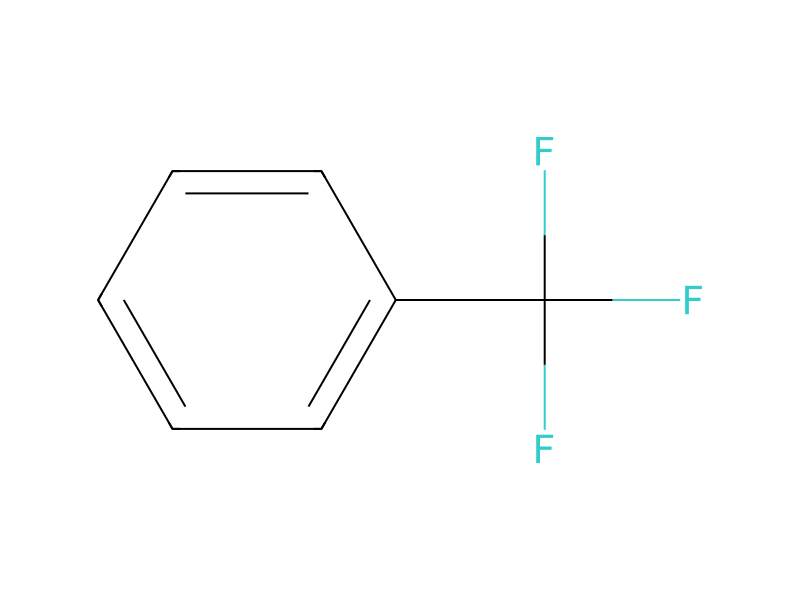
A mixture of 3mmol of 1-octen-3-ol, 15mmol of benzhydrol, 0.3 mmol of N-hydroxyphthalimide, 0.0015 mmol of cobalt (II) acetate, 0.6 mmol of hexafluoroacetone trihydrate, and 3 ml of trifluoromethylbenzene was stirred at 60° C. under an oxygen atmosphere (1 atm) for 24 hours. Gas chromatographic analysis of products in a reaction mixture revealed that 1-octen-3-ol was converted, at a rate of 43%, into 1,2-epoxy-3-octanol (yield: 40%).
Sources & evidence
- ORD record
- ord-b76c200635054022a293f89e44cb585f
- Source dataset
- uspto-grants-2001_05
- Patent number
- US06229023B1
Reaction notes
Loading…