Tetrahydrofuran → HCID 12134165, compound
Reaction equation

O1CCCC1.I[C:7]1[CH:12]=[CH:11][CH:10]=[CH:9][CH:8]=1.[CH2:13]([N:17]1[C:21](=[O:22])[C:20]2=[CH:23][CH:24]=[CH:25][CH:26]=[C:19]2[C:18]1=[O:27])[CH2:14][C:15]#[CH:16]>Cl[Pd](Cl)([P](C1C=CC=CC=1)(C1C=CC=CC=1)C1C=CC=CC=1)[P](C1C=CC=CC=1)(C1C=CC=CC=1)C1C=CC=CC=1.[Cu](I)I.C(N(CC)CC)C>[C:7]1([C:16]#[C:15][CH2:14][CH2:13][N:17]2[C:21](=[O:22])[C:20]3[C:19](=[CH:26][CH:25]=[CH:24][CH:23]=3)[C:18]2=[O:27])[CH:12]=[CH:11][CH:10]=[CH:9][CH:8]=1Participants
7






Procedure
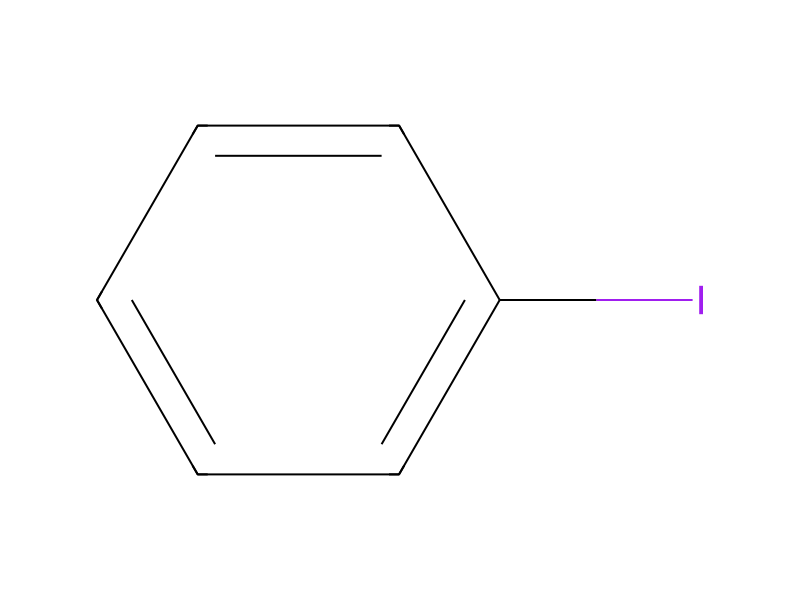
Under a nitrogen atmosphere, 35 ml of tetrahydrofuran, 3.06 g of iodobenzene, and 9.0 ml of triethylamine were added to 535 mg of dichlorobis(triphenylphosphine)palladium, 145 mg of copper iodide, and 3.00 g of N-(3-butynyl)phthalimide. The obtained mixture was stirred under reflux for 4 hours. After completion of the stirring, the reaction solution was cooled to a room temperature, and a solid was then filtrated. The filtrate was concentrated, and the residue was then purified by column chromatography (Wako Gel C-200; toluene:ethyl acetate=4:1), so as to obtain 3.70 g of a phthalimide compound.
Workup
- temperatureunder reflux for 4 hours
- filtrationa solid was then filtrated
- concentrationThe filtrate was concentrated
- customthe residue was then purified by column chromatography (Wako Gel C-200; toluene:ethyl acetate=4:1)
Sources & evidence
- ORD record
- ord-706a2d360d4b480a9cb86a204c966262
- Source dataset
- uspto-grants-2013_11
- Patent number
- US08586505B2
Reaction notes
Loading…