Diisopropylamine → Lithium diisopropylamide
Reaction equation

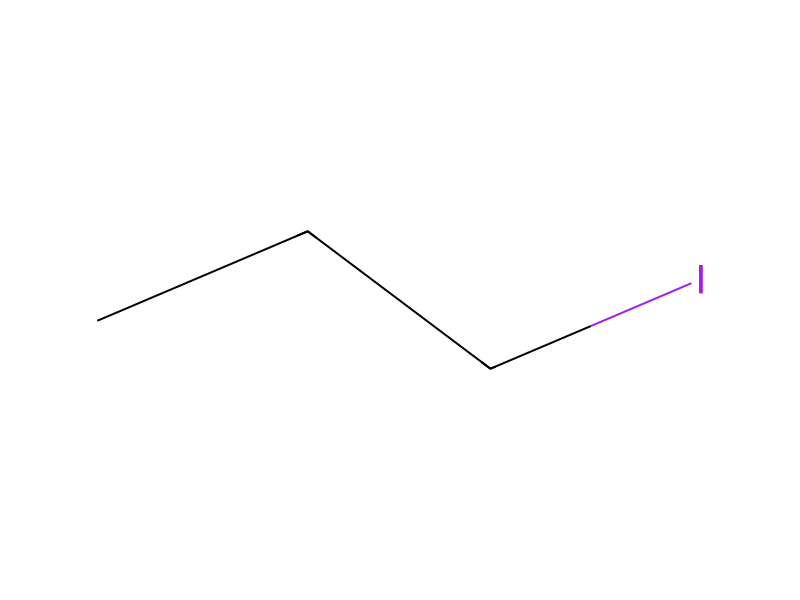
[CH2:1]([Li:5])[CH2:2][CH2:3]C.[CH:6]([NH:9][CH:10]([CH3:12])[CH3:11])([CH3:8])[CH3:7].[OH:13][C:14]1[CH:15]=[C:16]([CH:20]2[CH2:24][CH2:23][N:22]([CH3:25])[C:21]2=[O:26])[CH:17]=[CH:18][CH:19]=1.ICCC>C1COCC1.O>[CH:6]([N-:9][CH:10]([CH3:12])[CH3:11])([CH3:8])[CH3:7].[Li+:5].[OH:13][C:14]1[CH:15]=[C:16]([C:20]2([CH2:1][CH2:2][CH3:3])[CH2:24][CH2:23][N:22]([CH3:25])[C:21]2=[O:26])[CH:17]=[CH:18][CH:19]=1Participants







Procedure
Lithium diisopropylamide was prepared under nitrogen at room temperature from n-butyllithium (1.4 M in hexane, 16 ml) and diisopropylamine (2.8 ml, 2.02 g). A solution of 3-(3-hydroxyphenyl)-1-methyl-2-pyrrolidone (1.71 g) in THF (50 ml) was added and the resulting suspension was stirred for 1 hour at room temperature. 1-Iodopropane (0.95 ml, 1.63 g) was then added in one lot, when the acid immediately dissolved. The mixture was warmed over 2 hours to reflux, held at reflux for 30 minutes, cooled, and treated with water (20 ml). Organic solvents were removed under reduced pressure and the residual aqueous phase was diluted with water (20 ml), and extracted with dichloromethane (2×50 ml). The lower emulsion phases were separated, combined, and back-extracted with water (3×10 ml). The dichloromethane phase was dried (MgSO4) and evaporated, leaving impure title compound as a brown gum which partially crystallised (0.3 g). The aqueous phases were combined with the original aqueous phase (pH>12) and acidified with conc. hydrochloric acid to pH<1. The precipitated yellow gum was extracted into dichloromethane (4×25 ml) and the combined extracts were dried (MgSO4) and evaporated, leaving a brown gum which crystallised on trituration with a little ethyl acetate (2.04 g). This material was crystallised, after charcoal treatment in ethyl acetate and removal of the solvent, from cyclohexane-toluene (about 1:1 v/v) to give 3-(3-hydroxyphenyl)-1-methyl-3-(1-propyl)-2-pyrrolidone as ochre crystals (0.91 g), m.p. 75.5°-76.5° C.
Workup
- dissolutionimmediately dissolved
- temperatureThe mixture was warmed over 2 hours
- temperatureto reflux
- temperatureat reflux for 30 minutes
- temperaturecooled
- customOrganic solvents were removed under reduced pressure
- additionthe residual aqueous phase was diluted with water (20 ml)
- extractionextracted with dichloromethane (2×50 ml)
- customThe lower emulsion phases were separated
- extractionback-extracted with water (3×10 ml)
- dry with materialThe dichloromethane phase was dried (MgSO4)
- customevaporated
Sources & evidence
- ORD record
- ord-a56ce06cbf534a3f8df48f9db60095e1
- Source dataset
- uspto-grants-1980_04
- Patent number
- US04197241
Reaction notes
Loading…