Methane → Nitrobenzene
Reaction equation

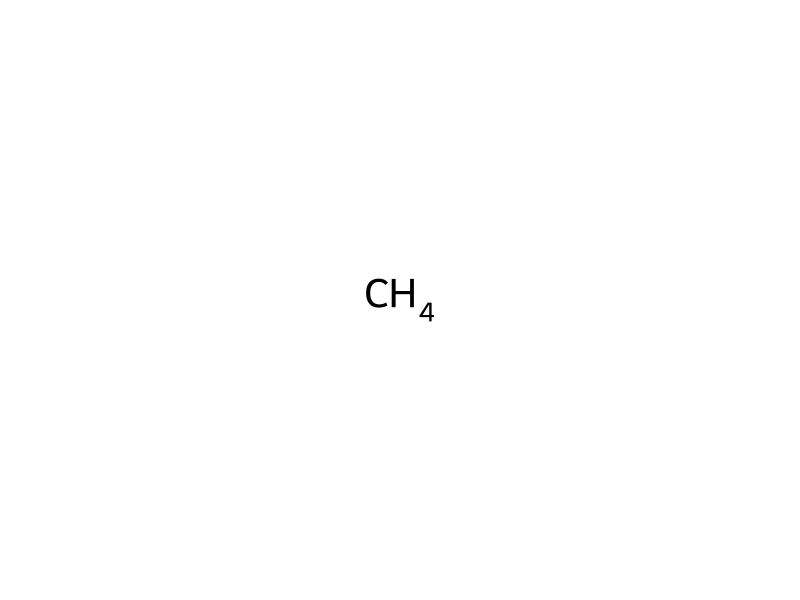
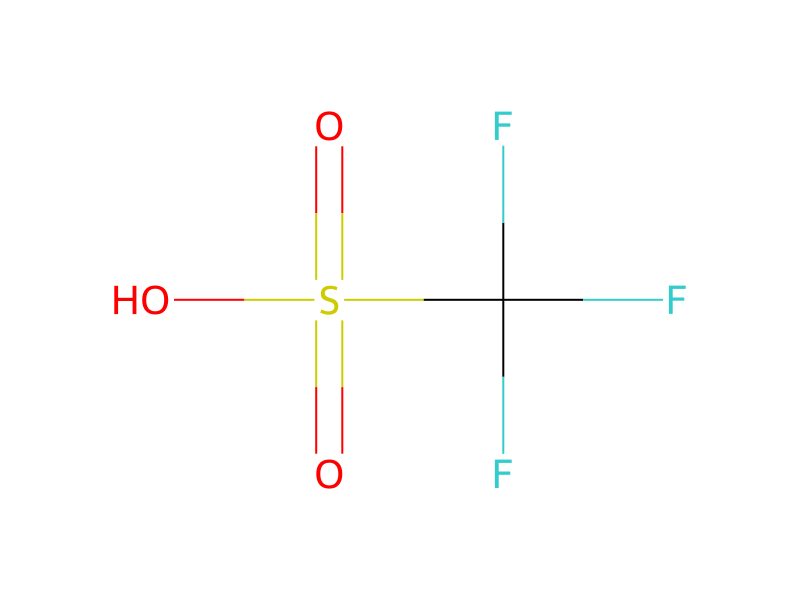
C.CC.FC(F)(F)S(O)(=O)=[O:7].[N:12]([C:14]1[CH:19]=[CH:18][CH:17]=[CH:16][CH:15]=1)=[O:13]>FC(F)(F)C(O)=O>[N+:12]([C:14]1[CH:19]=[CH:18][CH:17]=[CH:16][CH:15]=1)([O-:7])=[O:13]Participants
Reactant 4

Product 1

Reagents, catalysts & solvents 1

Procedure
Para-nitroso-diphenylhydroxylamine is a compound which may be readily obtained by means of the catalytic dimerization of nitrosobenzene. According to a recent, especially advantageous process, the foregoing compound may be obtained with practically quantitative yield, if a sulfonic acid with a pKa ≤1, for example methane-, ethane-, or trifluoromethanesulfonic acid, or perchloric or trifluoroacetic acid is used as a catalyst (German Patent Application No. P 27 03 919). The nitrosobenzene required for the preparation of para-nitroso-diphenylhydroxylamine is likewise easily accessible and may be obtained by the catalytic reduction of nitrobenzene. The reduction will proceed with a high conversion rate and high selectivity if, pursuant to another recent process, an aliphatic, cycloaliphatic, olefinic, or aromatic hydrocarbon is used as the reducing agent (German Patent Application No. P 27 13 602).
Sources & evidence
- ORD record
- ord-ab62f5d92d6b4e0b96c547c9ea8d0fcf
- Source dataset
- uspto-grants-1980_07
- Patent number
- US04210602
Reaction notes
Loading…