Aniline → 5-(Hydroxymethyl)-3-phenyl-1,3-oxazolidin-2-one
Reaction equation

NC1C=CC=CC=1.Cl[C:9](OCC1C=CC=CC=1)=[O:10].C([O-])(O)=O.[Na+].[C:24]1([NH:30][C:31](=[O:40])[O:32][CH2:33][C:34]2C=CC=CC=2)[CH:29]=[CH:28][CH:27]=[CH:26][CH:25]=1.C([O-])([O-])=O.[Cs+].[Cs+].C(OC[C@H]1OC1)(=O)CCC>CN(C=O)C.O.CC(C)=O.O>[OH:10][CH2:9][CH:33]1[O:32][C:31](=[O:40])[N:30]([C:24]2[CH:25]=[CH:26][CH:27]=[CH:28][CH:29]=2)[CH2:34]1Participants
10
Reactant 6





Product 1

Reagents, catalysts & solvents 3



Procedure
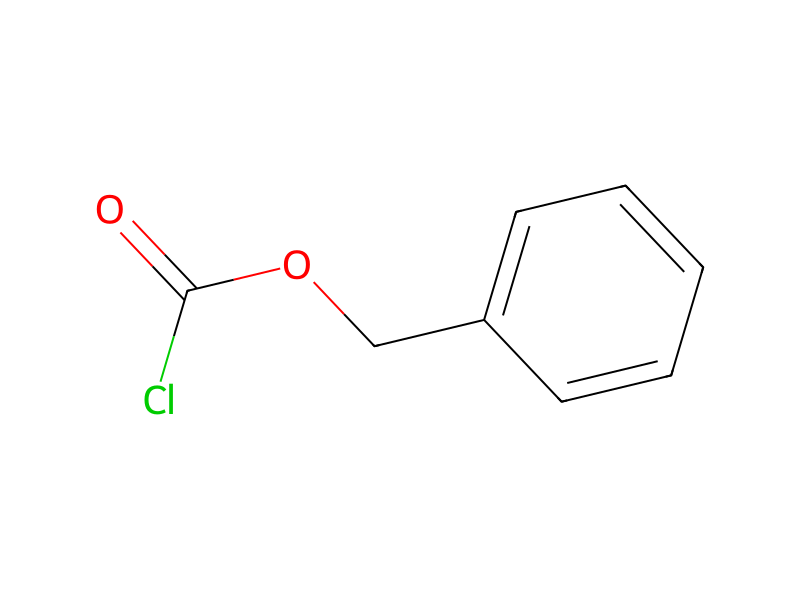
In Scheme 4, aniline (62) and benzyl chloroformate (63) are reacted in the presence of NaHCO3 and acetone:water (2:1) to generate benzyl N-phenylcarbamate (64), which when reacted with Cs2CO3 and (S)-(+)-glycidyl butyrate (65), in DMF solution gives the 5-(hydroxymethyl)-3-phenyloxazolidin-2-one (66), which upon treatment with NaIO4, RuCl3, H2O generates (67).
Sources & evidence
- ORD record
- ord-f649fb888b69435e941e261e032bf054
- Source dataset
- uspto-grants-2012_10
- Patent number
- US08283346B2
Reaction notes
Loading…