Potassium Carbonate → Ethyl 1-(cyclopropylmethyl)-4-nitro-1H-imidazole-2-carboxylate
Reaction equation

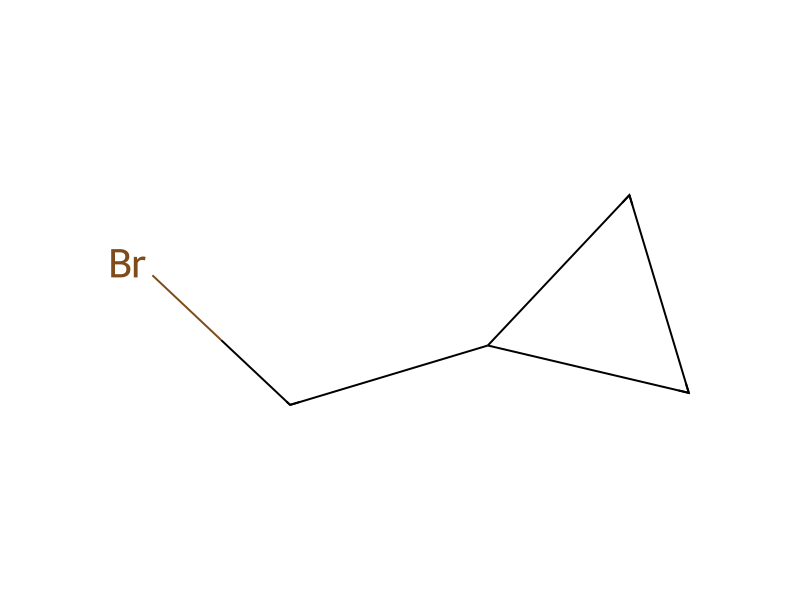
[N+:1]([C:4]1[N:5]=[C:6]([C:9]([O:11][CH2:12][CH3:13])=[O:10])[NH:7][CH:8]=1)([O-:3])=[O:2].[CH:14]1([CH2:17]Br)[CH2:16][CH2:15]1.C(=O)([O-])[O-].[K+].[K+]>CN(C=O)C.O>[CH:14]1([CH2:17][N:7]2[CH:8]=[C:4]([N+:1]([O-:3])=[O:2])[N:5]=[C:6]2[C:9]([O:11][CH2:12][CH3:13])=[O:10])[CH2:16][CH2:15]1Participants
6





Procedure
Under argon, 15 g (81 mmol) of ethyl 4-nitro-1H-imidazole-2-carboxylate are stirred with 13.13 g (97.2 mmol) of cyclopropylmethyl bromide and 22.4 g (162 mmol) of potassium carbonate in 165 ml of DMF at 80° C. for 1 h. After cooling, the reaction mixture is diluted with water and extracted four times with ethyl acetate. The combined organic phases are washed once with water and three times with a saturated sodium chloride solution, dried with magnesium sulfate and concentrated in vacuo. The crystalline residue is directly used further for the next reaction.
Workup
- temperatureAfter cooling
- extractionextracted four times with ethyl acetate
- washThe combined organic phases are washed once with water and three times with a saturated sodium chloride solution
- dry with materialdried with magnesium sulfate
- concentrationconcentrated in vacuo
- customThe crystalline residue is directly used further for the next reaction
Sources & evidence
- ORD record
- ord-23bc4e7f17454e83900db210da16f2fe
- Source dataset
- uspto-grants-2011_04
- Patent number
- US07919489B2
Reaction notes
Loading…