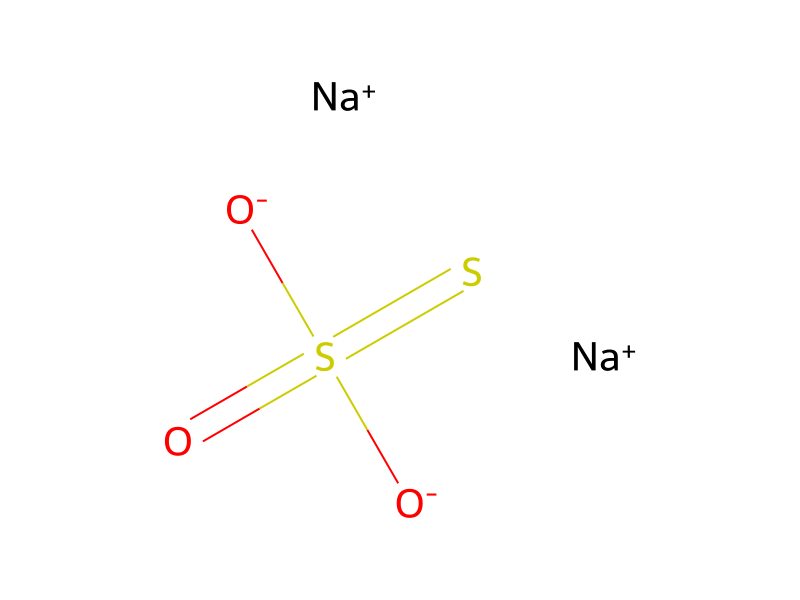
Sodium Thiosulfate → Pyridine, 4-phenoxy-, 1-oxide
Reaction equation

[O:1]([C:8]1[CH:13]=[CH:12][N:11]=[CH:10][CH:9]=1)[C:2]1[CH:7]=[CH:6][CH:5]=[CH:4][CH:3]=1.ClC1C=CC=C(C(OO)=[O:22])C=1.S([O-])([O-])(=O)=S.[Na+].[Na+].C(=O)(O)[O-].[Na+]>ClCCl>[O:1]([C:8]1[CH:13]=[CH:12][N+:11]([O-:22])=[CH:10][CH:9]=1)[C:2]1[CH:3]=[CH:4][CH:5]=[CH:6][CH:7]=1Participants
6
Reactant 4



Product 1

Reagents, catalysts & solvents 1

Procedure
To a solution of 4-phenoxypyridine (3.0 g, 17.5 mmol) in dichloromethane (500 mL) was added 3-chloro-perbenzoic acid (5.18 g, 21.0 mmol) on an ice bath, and the solution was stirred for 22 hours. An aqueous solution of saturated sodium thiosulfate and an aqueous solution of saturated sodium bicarbonate were added to the reaction solution, the solution was stirred at room temperature for 10 minutes, then, the organic layer was separated, washed with brine and dried over anhydrous magnesium sulfate. The solvent was evaporated, and 4-phenoxy-pyridine N-oxide (3.3 g, quantitatively) was obtained as a pale yellow solid.
Workup
- stirringthe solution was stirred at room temperature for 10 minutes
- customthe organic layer was separated
- washwashed with brine
- dry with materialdried over anhydrous magnesium sulfate
- customThe solvent was evaporated
Sources & evidence
- ORD record
- ord-64db1afa3a4242659f9fef79c2445101
- Source dataset
- uspto-grants-2011_04
- Patent number
- US07932272B2
Reaction notes
Loading…