3-Hydroxybenzaldehyde → Benzaldehyde, 3-(4-fluorophenoxy)-
Reaction equation

[OH:1][C:2]1[CH:3]=[C:4]([CH:7]=[CH:8][CH:9]=1)[CH:5]=[O:6].Br[C:11]1[CH:16]=[CH:15][C:14]([F:17])=[CH:13][CH:12]=1.C(=O)([O-])[O-].[K+].[K+]>N1C=CC=CC=1.[Cu]>[F:17][C:14]1[CH:15]=[CH:16][C:11]([O:1][C:2]2[CH:3]=[C:4]([CH:7]=[CH:8][CH:9]=2)[CH:5]=[O:6])=[CH:12][CH:13]=1Participants
6
Reactant 3
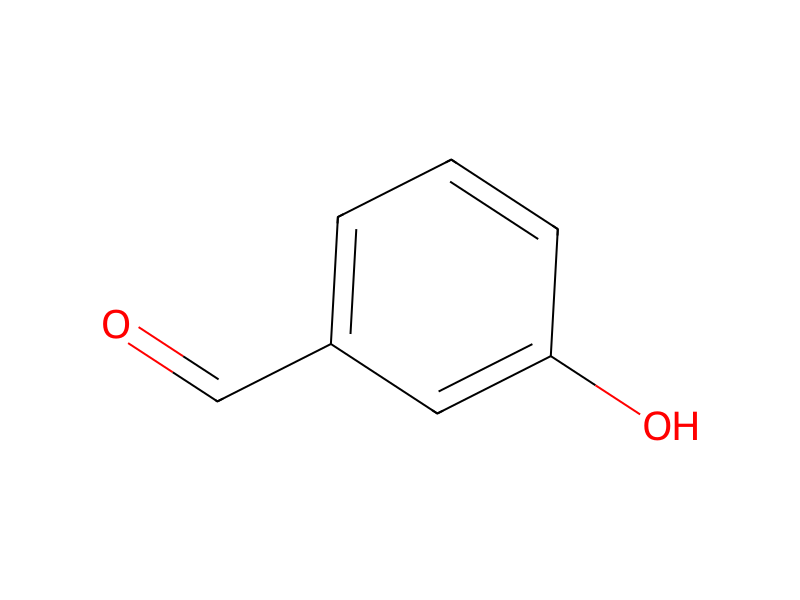


Product 1

Reagents, catalysts & solvents 2


Procedure
A mixture of 3-hydroxybenzaldehyde (24.37 g, 199.6 mmol), 4-bromofluorobenzene (69.86 g, 399.2 mmol), potassium carbonate (42.76 g, 309.4 mnmol) and copper powder (6.34 g, 99.8 mmol) in pyridine (200 mL) was refluxed for 64 hours. It was then cooled to ambient temperature and filtered through Celite. The filtrate was diluted with ethyl acetate (600 mL) and washed with water (3×400 mL). The organic phase was dried over MgSO4. The resulting residue was chromatographed (silica gel; hexanes, ether 85:15) to afford 31.03 g (72%) of 3-(4-fluorophenoxy)benzaldehyde as a pale yellow solid.
Workup
- temperaturewas refluxed for 64 hours
- filtrationfiltered through Celite
- additionThe filtrate was diluted with ethyl acetate (600 mL)
- washwashed with water (3×400 mL)
- dry with materialThe organic phase was dried over MgSO4
- customThe resulting residue was chromatographed (silica gel; hexanes, ether 85:15)
Sources & evidence
- ORD record
- ord-01e14b3d4be74a7a8b7761e038757cd5
- Source dataset
- uspto-grants-1993_02
- Patent number
- US05187192
Reaction notes
Loading…