Thiamine Hydrochloride → L-(-)-Ornithine
Reaction equation

O=C[C@@H]([C@H]([C@@H]([C@@H](CO)O)O)O)O.OP([O-])(O)=O.[K+].CC1[N+](CC2C=NC(C)=NC=2N)=CSC=1CCO.Cl.[Cl-].OC(CCCC[C@H]1[C@@H]2[C@@H](NC(N2)=O)CS1)=O.[NH2:55][C@H:56]([C:64]([OH:66])=[O:65])[CH2:57][CH2:58][CH2:59][NH:60]C(=N)N.C(=O)([O-])[O-].[Ca+2]>[Pt]>[NH2:55][C@H:56]([C:64]([OH:66])=[O:65])[CH2:57][CH2:58][CH2:59][NH2:60]Participants
Reactant 6

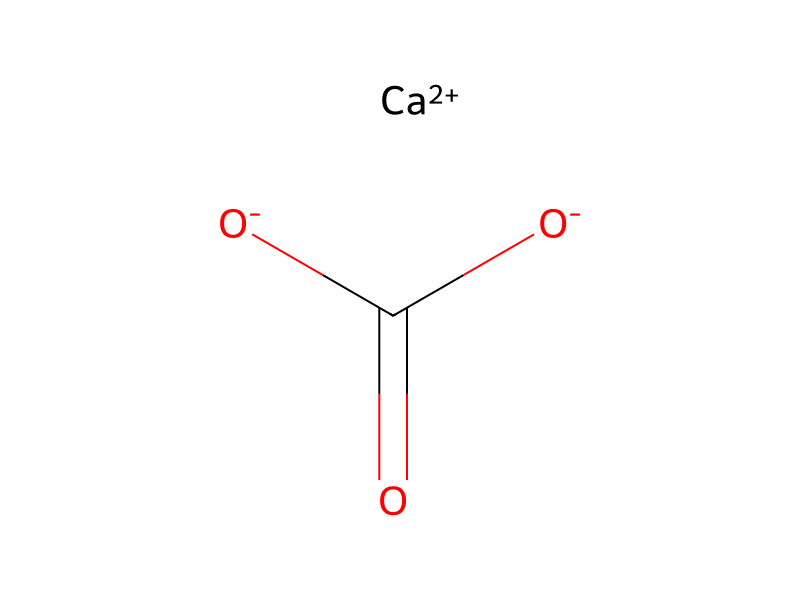



Product 1

Reagents, catalysts & solvents 1

Procedure
Media containing 10 g/dl of glucose, 7 g/dl of (NH4)2SO4, 0.15 g/dl of KH2PO4, 0.04 g/dl of MgSO4.7H2O, 1 mg/dl of FeSO4.7H2O, 1 mg/dl of MnSO4.4H2O, 100 μg/1 of thiamine hydrochloride, 100 μg/1 of biotin, 60 mg of soybean protein acid hydrolysate (calculated as total nitrogen) and 15 mg/dl of L-arginine and 5 g/dl of calcium carbonate (independently sterilized) was adjusted to pH 7.2 and 25 ml of the media was charged into a 500 ml flask equipped with a shoulder followed by sterilization with heating. One platinum loop of the strain shown in Table 2 was inoculated on the medium and shaken for 4 days while keeping at 31.5° C. L-Ornithine was produced and accumulated in the culture solution of each strain in the amount shown in Table 2.
Workup
- additionwas charged into a 500 ml flask
- customequipped with a shoulder
- temperaturewith heating
- customwhile keeping at 31.5° C
Sources & evidence
- ORD record
- ord-969633cebd45432db6099fea115a8777
- Source dataset
- uspto-grants-1993_02
- Patent number
- US05188947
Reaction notes
Loading…