Potassium Carbonate → Methyl 6-Methylpyridine-2-carboxylate N-oxide
Reaction equation

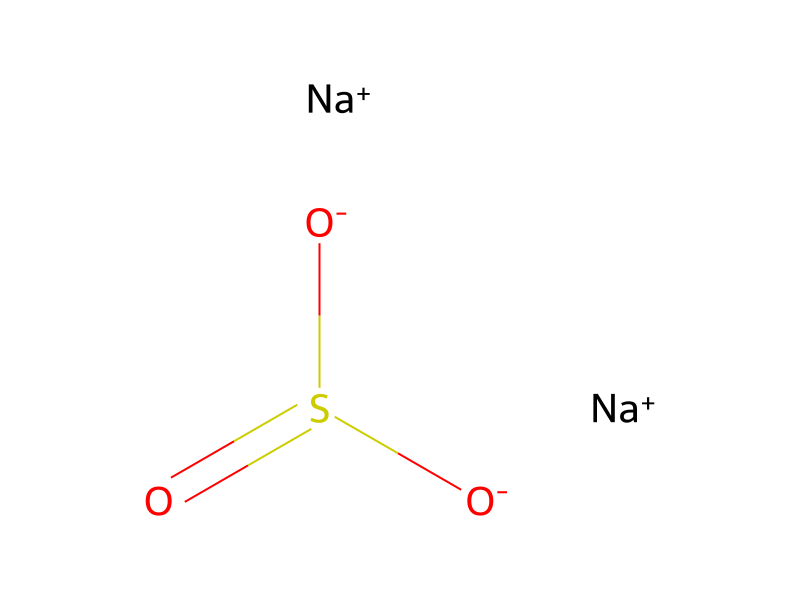
Cl.[CH3:2][C:3]1[N:8]=[C:7]([C:9]([O:11][CH3:12])=[O:10])[CH:6]=[CH:5][CH:4]=1.ClC1C=CC=C(C(OO)=[O:21])C=1.S([O-])([O-])=O.[Na+].[Na+].C(=O)([O-])[O-].[K+].[K+]>ClCCl>[CH3:2][C:3]1[CH:4]=[CH:5][CH:6]=[C:7]([C:9]([O:11][CH3:12])=[O:10])[N+:8]=1[O-:21]Participants
6
Reactant 4



Product 1

Reagents, catalysts & solvents 1

Conditions
- Temperature
- 50 °C
Procedure
A mixture of methyl 6-methylpyridine-2-carboxylate hydrochloride (5.8 g) and m-chloroperbenzoic acid (15.24 g) in dichloromethane (200 ml) was stirred at room temperature for 20 hours and 50° C. for 6 hours. After adding a small amount of sodium sulfite at 0° C., an aqueous solution of potassium carbonate was added to make the solution basic. The mixture was extracted with dichloromethane, and the organic phase was dried and concentrated. The resultant residue was purified by a column chromatography on a silica gel (ethyl acetate:hexane=5:1 to ethyl acetate:methanol=20:1) to obtain the title compound (2.29 g) as a tan oil.
Workup
- extractionThe mixture was extracted with dichloromethane
- customthe organic phase was dried
- concentrationconcentrated
- customThe resultant residue was purified by a column chromatography on a silica gel (ethyl acetate:hexane=5:1 to ethyl acetate:methanol=20:1)
Sources & evidence
- ORD record
- ord-5af467c0fe7b48f39cbe7eeb7d37259e
- Source dataset
- uspto-grants-2004_04
- Patent number
- US06723722B1
Reaction notes
Loading…