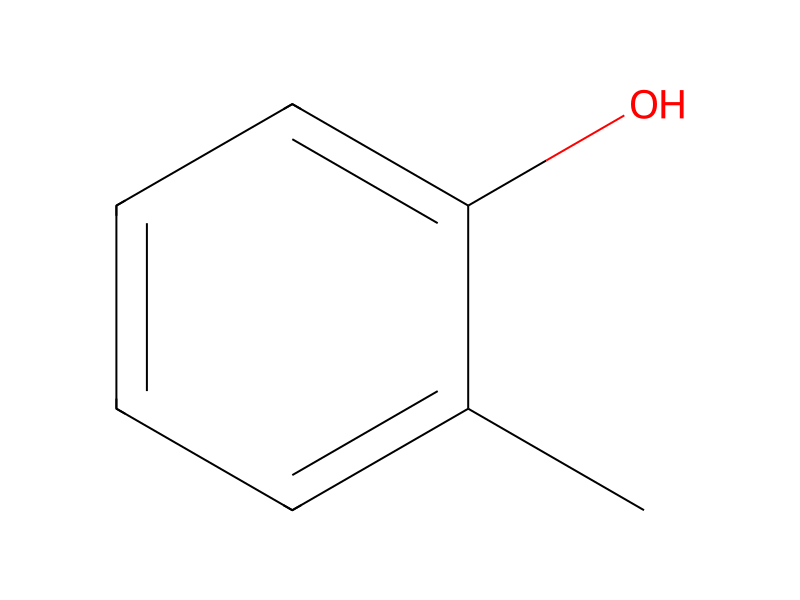
O-Cresol → 4-Methoxy-3-o-tolyloxy-benzoic acid
Reaction equation

C(=O)([O-])[O-].[K+].[K+].[C:7]1([CH3:14])[C:12]([OH:13])=[CH:11][CH:10]=[CH:9][CH:8]=1.Br[C:16]1[CH:17]=[C:18]([CH:22]=[CH:23][C:24]=1[O:25][CH3:26])[C:19]([OH:21])=[O:20]>CN(C=O)C.[Cu]>[CH3:26][O:25][C:24]1[CH:23]=[CH:22][C:18]([C:19]([OH:21])=[O:20])=[CH:17][C:16]=1[O:13][C:12]1[CH:11]=[CH:10][CH:9]=[CH:8][C:7]=1[CH3:14]Participants
6
Reactant 3


Product 1

Reagents, catalysts & solvents 2


Conditions
- Temperature
- 165 °C
Procedure
Potassium carbonate (1.20 g, 8.66 mmol), o-cresol (468 mg, 4.33 mmol), copper powder (28 mg, 0.43 mmol) and 3-bromo-4-methoxybenzoic acid (1.00 g, 4.33 mmol) were suspended in DMF (5 ml) and heated to 165° C. overnight. Potassium carbonate (1.20 g, 8.66 mmol) and o-cresol (468 mg, 4.33 mmol) were added once again and heating was continued for another 2 h. The crude mixture was partitioned between EA and 2 N hydrochloric acid, the aqueous phase extracted with EA, and the combined organic phases were dried over magnesium sulfate, filtered and evaporated to dryness. The residue was purified by silica gel chromatography (HEP/EA gradient) to yield 600 mg of the title compound.
Workup
- temperatureheating
- customThe crude mixture was partitioned between EA and 2 N hydrochloric acid
- extractionthe aqueous phase extracted with EA
- dry with materialthe combined organic phases were dried over magnesium sulfate
- filtrationfiltered
- customevaporated to dryness
- customThe residue was purified by silica gel chromatography (HEP/EA gradient)
Sources & evidence
- ORD record
- ord-883c9a427e8e4dabab417be27a4247c3
- Source dataset
- uspto-grants-2013_05
- Patent number
- US08445530B2
Reaction notes
Loading…