Benzaldehyde → N-(1,1-Dimethylethyl)benzenemethanamine
Reaction equation

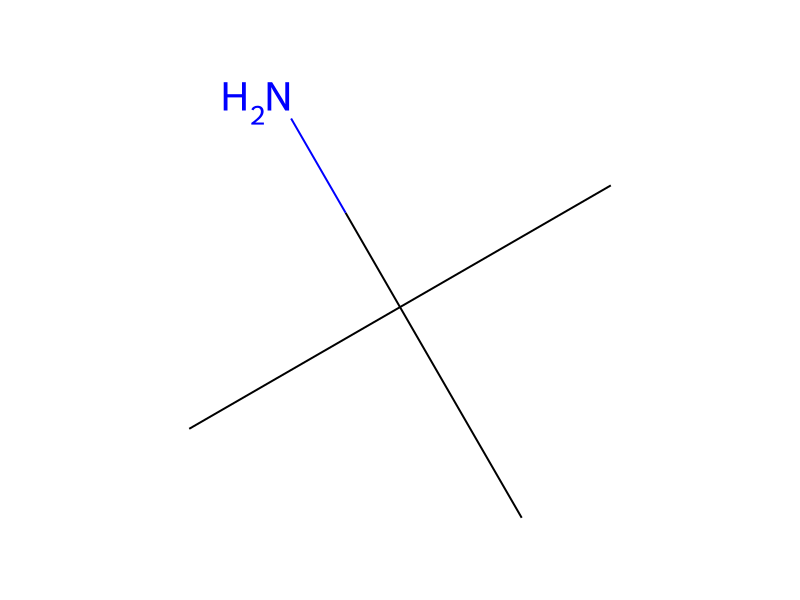
[C:1]([NH2:5])([CH3:4])([CH3:3])[CH3:2].[CH:6]1([CH:12]=O)[CH2:11][CH2:10][CH2:9][CH2:8][CH2:7]1.[CH:14](=O)[C:15]1[CH:20]=[CH:19][CH:18]=[CH:17][CH:16]=1>>[C:1]([NH:5][CH2:12][CH:6]1[CH2:11][CH2:10][CH2:9][CH2:8][CH2:7]1)([CH3:4])([CH3:3])[CH3:2].[CH2:14]([NH:5][C:1]([CH3:4])([CH3:3])[CH3:2])[C:15]1[CH:20]=[CH:19][CH:18]=[CH:17][CH:16]=1Participants
5



Procedure
In an analogous manner to that in example 1c, except using 4.0% by weight of hydrogenation catalyst, based on the total amount of amine, 1 mol of tert-butylamine was reacted with cyclohexanal (example 3a) or benzaldehyde (example 3b) to give the corresponding secondary amines (tert-butylcyclohexylmethylamine and benzyl-tert-butylamine respectively) which were then analyzed by gas chromatography. For these reactions, yields of 87.3 area % (example 3a) and 14.2 area % (example 3b) of the corresponding secondary amines were achieved.
Sources & evidence
- ORD record
- ord-e72215c3b0a1435aa742430b90c905b2
- Source dataset
- uspto-grants-2013_05
- Patent number
- US08445726B2
Reaction notes
Loading…