Ethyl Acetate → 2-Chloro-5-((4-methoxybenzyl)oxy)pyridine
Reaction equation

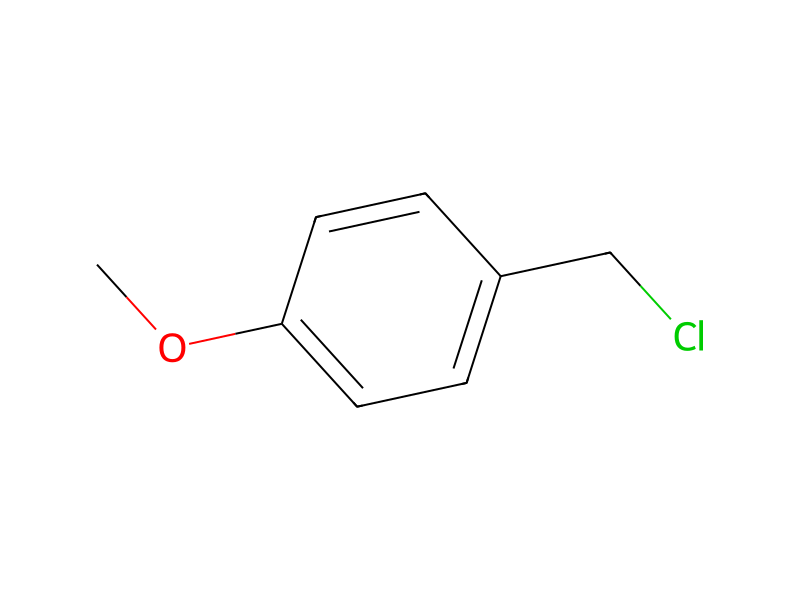
[Cl:1][C:2]1[CH:7]=[CH:6][C:5]([OH:8])=[CH:4][N:3]=1.C(=O)([O-])[O-].[K+].[K+].[CH3:15][O:16][C:17]1[CH:24]=[CH:23][C:20]([CH2:21]Cl)=[CH:19][CH:18]=1.C(OCC)(=O)C>CN(C)C=O.O>[Cl:1][C:2]1[CH:7]=[CH:6][C:5]([O:8][CH2:21][C:20]2[CH:23]=[CH:24][C:17]([O:16][CH3:15])=[CH:18][CH:19]=2)=[CH:4][N:3]=1Participants
7






Conditions
- Temperature
- 80 °C
Procedure
To a solution of 2-chloro-5-hydroxypyridine (50 g, 0.386 mol) and potassium carbonate (80 g, 0.579 mol) in N,N-dimethylformamide (300 mL) was added p-methoxybenzyl chloride (66.5 g, 0.425 mol), and the mixture was stirred at 80° C. for 4 hr. Ethyl acetate and water were added to the reaction mixture, and the mixture was extracted 3 times with ethyl acetate. The organic layer was washed with water and saturated brine, dried over anhydrous magnesium sulfate and filtered. The solvent was evaporated under reduced pressure, and the obtained residue was washed with methanol to give the title compound (61.3 g, 64%) as a white solid.
Workup
- extractionthe mixture was extracted 3 times with ethyl acetate
- washThe organic layer was washed with water and saturated brine
- dry with materialdried over anhydrous magnesium sulfate
- filtrationfiltered
- customThe solvent was evaporated under reduced pressure
- washthe obtained residue was washed with methanol
Sources & evidence
- ORD record
- ord-c4208c233f764110bdabdf07f6708386
- Source dataset
- uspto-grants-2013_05
- Patent number
- US08445509B2
Reaction notes
Loading…