Hydrochloric Acid → HCID 14954031, compound
Reaction equation

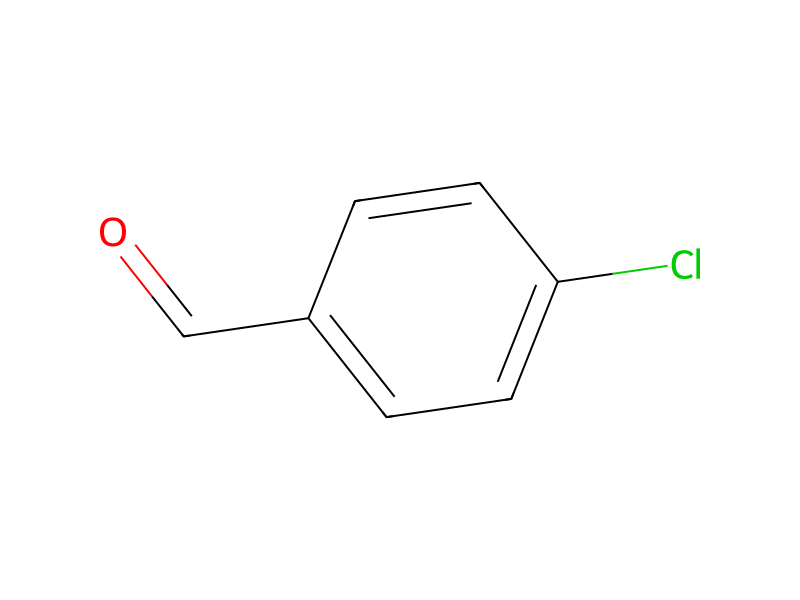
[Cl:1][C:2]1[CH:9]=[CH:8][C:5]([CH:6]=[O:7])=[CH:4][CH:3]=1.II.Br[CH:13]([F:19])[C:14]([O:16][CH2:17][CH3:18])=[O:15].Cl>C1C=CC=CC=1.[Zn].C(OCC)(=O)C.O>[CH2:17]([O:16][C:14](=[O:15])[CH:13]([F:19])[CH:6]([C:5]1[CH:8]=[CH:9][C:2]([Cl:1])=[CH:3][CH:4]=1)[OH:7])[CH3:18]Participants
Reactant 4



Product 1

Reagents, catalysts & solvents 4




Procedure
Zinc powder (1.96 g) was added to 4-chlorobenzaldehyde (141 mg) dissolved in benzene (20 mL), and a catalytic amount of iodine was added to the mixture while refluxing by heating. Ethyl bromofluoroacetate (185 mg) in benzene (2.5 mL) was added dropwise thereto, followed by stirring for 2.5 hours. The reaction mixture was cooled by ice, 1N hydrochloric acid (12.5 mL) was added thereto, and the resultant mixture was stirred at room temperature for 1.5 hours. Water and ethyl acetate were added thereto for partiton. The aqueous layer was extracted with ethyl acetate. The organic layers were combined, and dried over sodium sulfate anhydrate. The solvent was distilled away under reduced pressure. The residue was purified by preparative thin layer chromatography (hexane:ethyl acetate=3:1), to thereby give the title compound (diastereomer mixture) (117 mg) as a colorless oil.
Workup
- temperaturewhile refluxing
- temperatureby heating
- additionwas added
- extractionThe aqueous layer was extracted with ethyl acetate
- dry with materialdried over sodium sulfate anhydrate
- distillationThe solvent was distilled away under reduced pressure
- customThe residue was purified by preparative thin layer chromatography (hexane:ethyl acetate=3:1)
Sources & evidence
- ORD record
- ord-418d828fb06c498291d589477f77516c
- Source dataset
- uspto-grants-2009_08
- Patent number
- US07576135B2
Reaction notes
Loading…