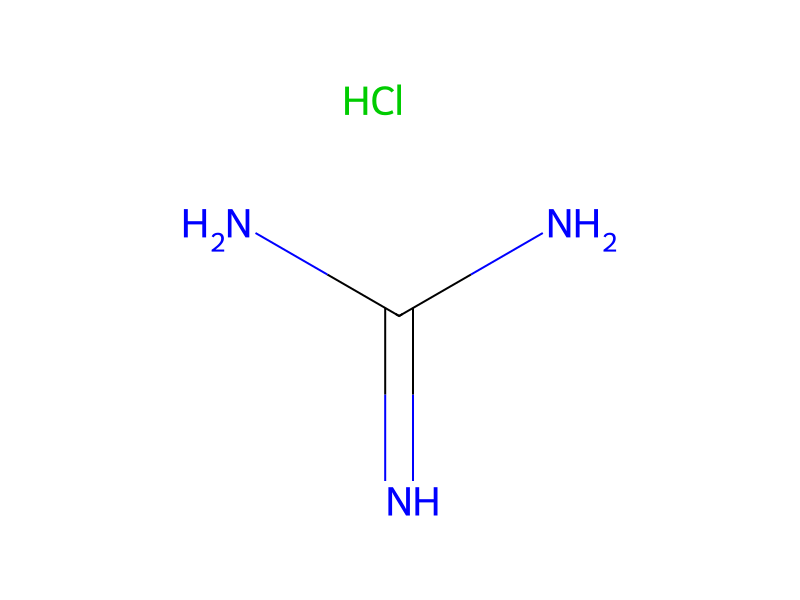
Guanidine Hydrochloride → HCID 178459352, compound
Reaction equation

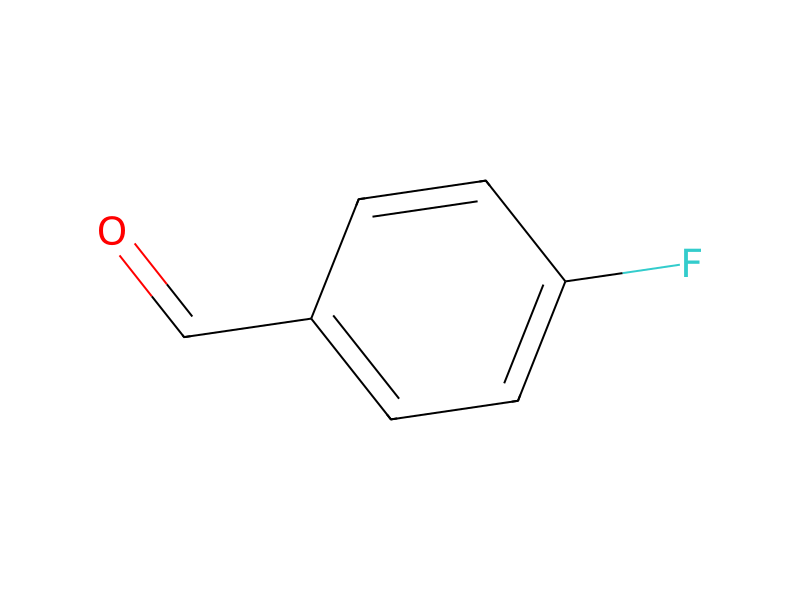
Cl.[NH2:2][C:3]([NH2:5])=[NH:4].[F:6][C:7]1[CH:14]=[CH:13][C:10]([CH:11]=O)=[CH:9][CH:8]=1.[CH3:15][CH:16]([CH3:26])[C:17](=O)[CH2:18][C:19]([O:21][CH:22]([CH3:24])[CH3:23])=[O:20].C(=O)([O-])[O-].[K+].[K+]>CN(C=O)C>[NH2:4][C:3]1[NH:5][CH:17]([CH:16]([CH3:26])[CH3:15])[C:18]([C:19]([O:21][CH:22]([CH3:23])[CH3:24])=[O:20])=[C:11]([C:10]2[CH:13]=[CH:14][C:7]([F:6])=[CH:8][CH:9]=2)[N:2]=1Participants
6




Conditions
- Temperature
- 70 °C
Procedure
Guanidine hydrochloride (12.1 g), 4-Fluorobenzaldehyde (7.0 g), isopropyl 4-methyl-3-oxo-pentanoate (8.9 g) and DMF (150 ml) were charged to a vessel equipped with a condenser and connected to a nitrogen line. The resultant mixture was stirred until a clear solution was obtained. Potassium carbonate (17.5 g) was charged and the mixture heated to 70° C. for 3 hours. The reaction mixture was cooled to ambient temperature, filtered, and the solvents removed by evaporation under reduced pressure. The resultant oil was triturated in water at 80° C. and cooled to give a slurry that was filtered and dried to give isopropyl 2-amino-4-(4-fluorophenyl)-6-isopropyl-1,6-dihydropyrimidine-5-carboxylate in 67% yield.
Workup
- customequipped with a condenser
- customwas obtained
- temperatureThe reaction mixture was cooled to ambient temperature
- filtrationfiltered
- customthe solvents removed by evaporation under reduced pressure
- customThe resultant oil was triturated in water at 80° C.
- temperaturecooled
- customto give a slurry that
- filtrationwas filtered
- customdried
Sources & evidence
- ORD record
- ord-2c90436d55d2455a934abbd4a3ca0673
- Source dataset
- uspto-grants-2009_04
- Patent number
- US07524955B2
Reaction notes
Loading…