Potassium Iodide → HCID 67151031, compound
Reaction equation

[Br:1][C:2]1[CH:3]=[CH:4][C:5]2[C:6](=[O:18])[C:7](=[O:17])[C:8]3[C:13]([C:14]=2[CH:15]=1)=[CH:12][C:11]([OH:16])=[CH:10][CH:9]=3.C(=O)([O-])[O-].[K+].[K+].[I-].[K+].Br[CH2:28][CH:29]1[CH2:31][CH2:30]1>CC(C)=O>[Br:1][C:2]1[CH:3]=[CH:4][C:5]2[C:6](=[O:18])[C:7](=[O:17])[C:8]3[C:13]([C:14]=2[CH:15]=1)=[CH:12][C:11]([O:16][CH2:28][CH:29]1[CH2:31][CH2:30]1)=[CH:10][CH:9]=3Participants
6
Reactant 4


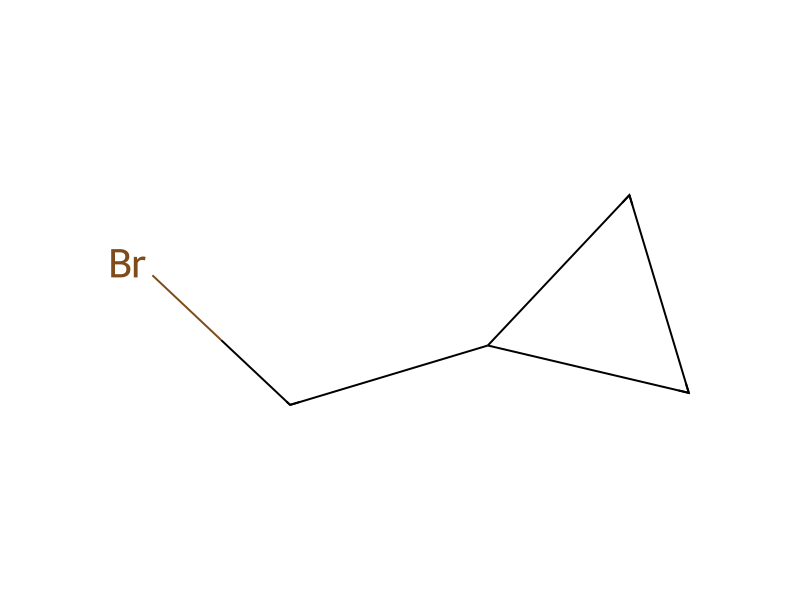

Product 1

Reagents, catalysts & solvents 1

Procedure
A solution of 3-bromo-6-hydroxyphenanthrene-9,10-dione from Step 4 in acetone was treated with excess potassium carbonate, potassium iodide and (bromomethyl)cyclopropane. The mixture was heated at reflux overnight, followed by standard workup to yield 3-bromo-6-(cyclopropylmethoxy)phenanthrene-9,10-dione.
Workup
- temperatureThe mixture was heated
- temperatureat reflux overnight
Sources & evidence
- ORD record
- ord-08a4f0dee9374c02b74d5c78c01fd0b9
- Source dataset
- uspto-grants-2008_10
- Patent number
- US07442716B2
Reaction notes
Loading…