Sodium Phosphate, Dibasic → Tricalcium Phosphate
Reaction equation
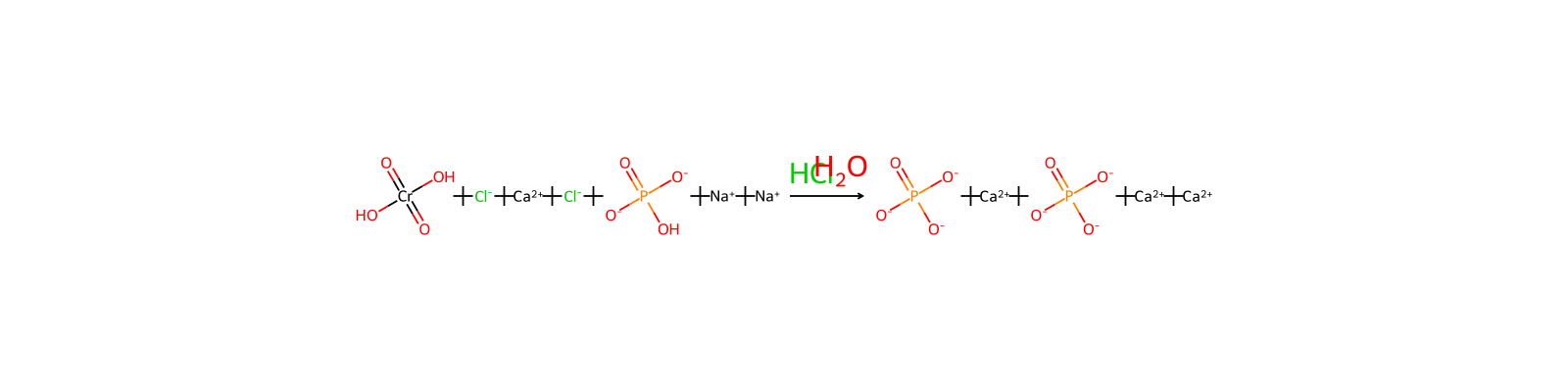
[Cr](O)(O)(=O)=O.[Cl-].[Ca+2:7].[Cl-].[P:9]([O-:13])([O-:12])([OH:11])=[O:10].[Na+].[Na+]>Cl.O>[P:9]([O-:13])([O-:12])([O-:11])=[O:10].[Ca+2:7].[P:9]([O-:13])([O-:12])([O-:11])=[O:10].[Ca+2:7].[Ca+2:7]Participants
Reactant 3
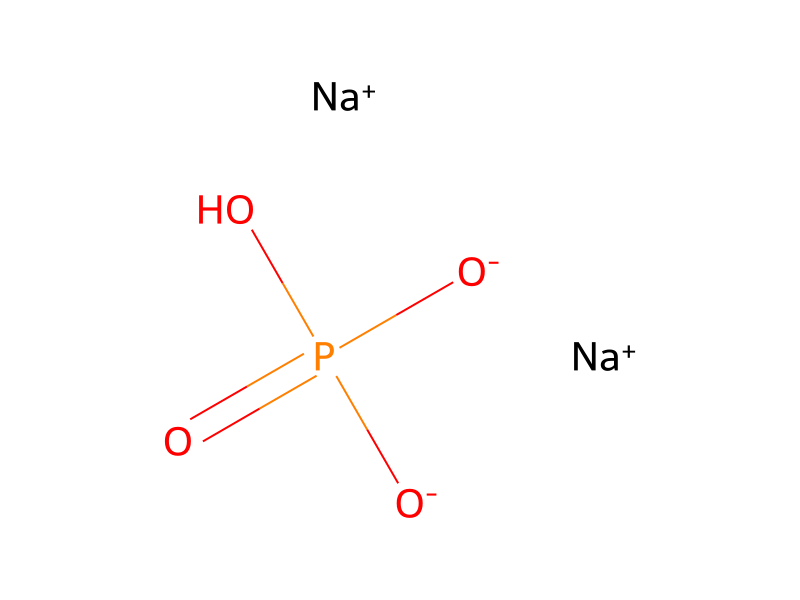
Product 1

Reagents, catalysts & solvents 2


Procedure
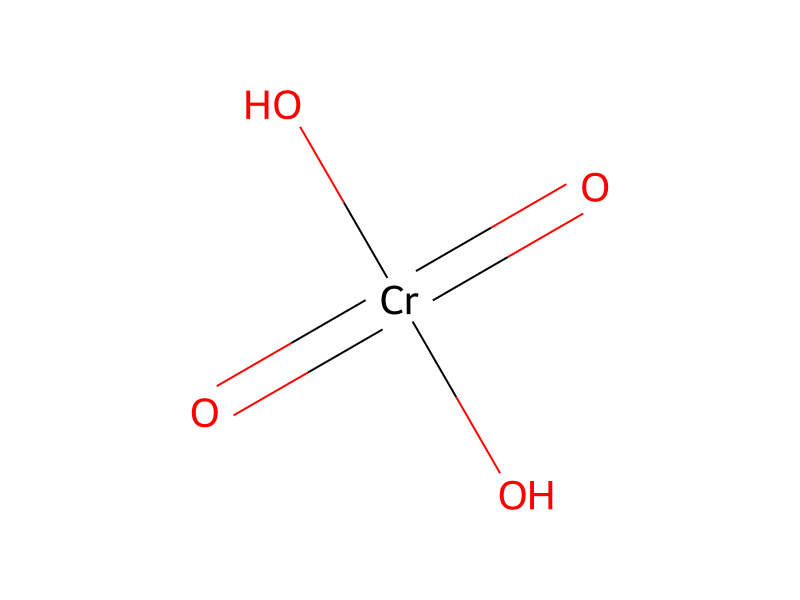
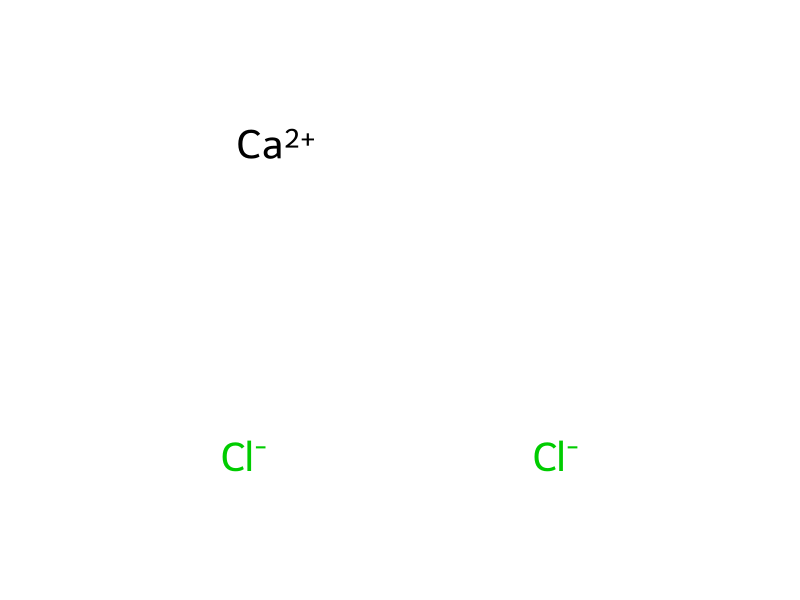
To 1800 ml of distilled water in a 2 liter volumetric flask, previously cleaned with hot chromic acid, is added 20 ml of the calcium chloride solution, followed by 2 drops of concentrated hydrochloric acid. 40 ml of the disodium hydrogen phosphate solution is then added. The volume of the mixture is brought to 2 liters with distilled water. 100 ml aliquots of the mixed solution are placed in a small (112 ml) glass bottle fitted with a screw cap. To this solution is added sufficient of the solution of the test compound to provide the required concentration of the test compound in the final volume of test solution (100 ml). Thus, 1.0 ml of 0.1% solution of test compound gives a concentration of the test compound in the final solution of 10 ppm.
Workup
- customfitted with a screw
- customcap
- additionTo this solution is added sufficient of the solution of the test compound
Sources & evidence
- ORD record
- ord-a26c7ec9c6084a3a8e564eee6f1e33de
- Source dataset
- uspto-grants-1987_07
- Patent number
- US04681686
Reaction notes
Loading…