Hydroxide → Diethyl (ethoxymethylene)malonate
Reaction equation

FC1C=C(C)C=CC=1[N+]([O-])=[O:9].N1[CH2:17][CH2:16][O:15][CH2:14][CH2:13]1.[H][H].ClC[C:22]([O:24][C:25](=O)[CH2:26]Cl)=[O:23].[OH-].C1[CH2:34][O:33][CH2:32][CH2:31]1>[Pt]>[CH2:14]([O:15][CH:16]=[C:17]([C:34]([O:33][CH2:32][CH3:31])=[O:9])[C:22]([O:24][CH2:25][CH3:26])=[O:23])[CH3:13]Participants





Procedure
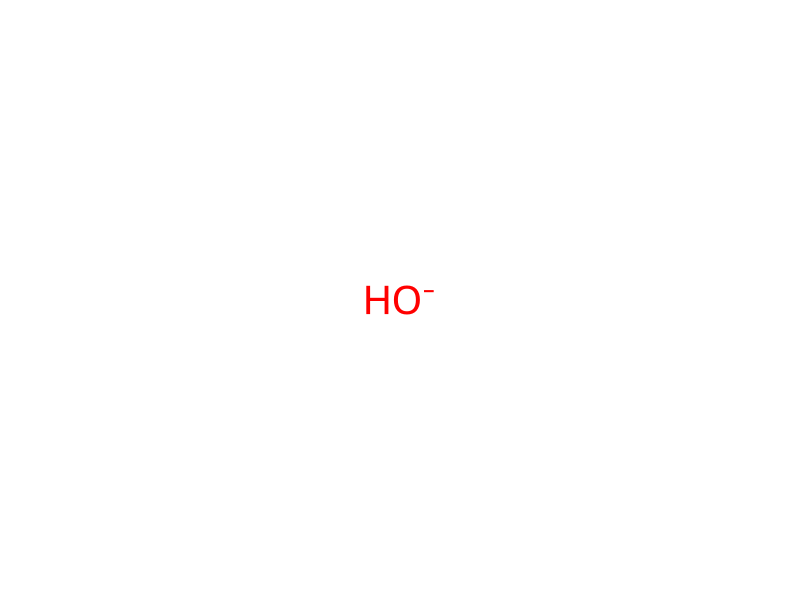
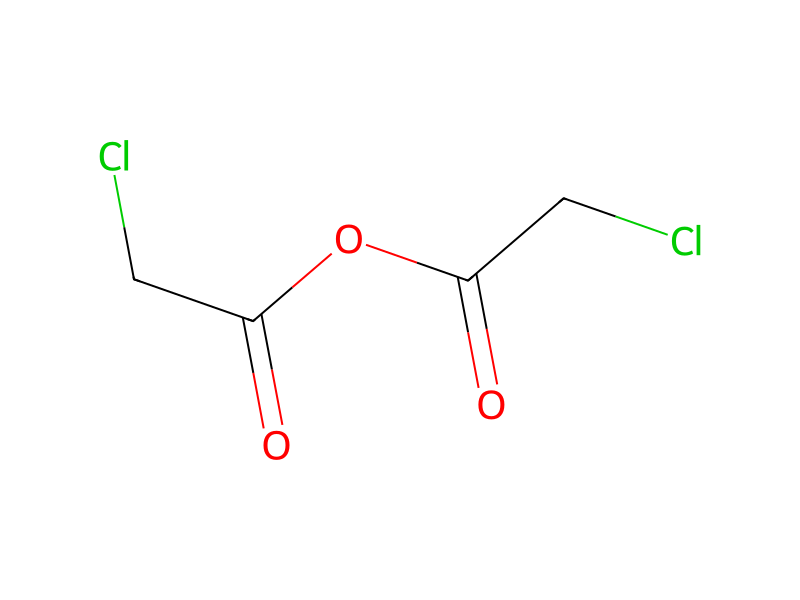
As shown in Chart D, commercially available 3-fluoro-4-nitrotoluene (D-0) is brominated to give compound D-1, which is reacted with morpholine to provide compound D-2. Compound D-2 is displaced with an amine (e.g., methylamine) to give compounds of formula D-3. Compounds of formula D-3 are catalytically reduced with hydrogen gas over 5% platinum on carbon and acylated with chloroacetic anhydride in THF to give compounds of formula D-4. Treatment with aqueous hydroxide (e.g., NaOH) in THF converts compounds of formula DA to the free base and affects cyclization to compounds of formula D-5. Reacting compounds of formula D-5 with diethyl ethoxymethylenemalonate affords enamines of formula D-6. Compounds of formula D-6 are cyclized with Eaton's reagent to provide compounds of formula D-7. Aminolysis of the ester of compounds of formula D-7 with a benzylamine (e.g., p-chlorbenzylamine) yields compounds of formula I of the present invention.
Workup
- customto give compound D-1, which
- customto provide compound D-2
- customto give compounds of formula D-3
- customto give compounds of formula D-4
Sources & evidence
- ORD record
- ord-25a6dd91ed3b44158f37e0f93310b008
- Source dataset
- uspto-grants-2004_02
- Patent number
- US06686356B2
Reaction notes
Loading…