Phosphate → 2,2-Diphenylbutyronitrile
Reaction equation

[Li+].[CH3:2][CH:3]([N-]C(C)C)C.[C:9]1([CH:15]([C:18]2[CH:23]=[CH:22][CH:21]=[CH:20][CH:19]=2)[C:16]#[N:17])[CH:14]=[CH:13][CH:12]=[CH:11][CH:10]=1.C(Br)C.P([O-])([O-])([O-])=O>C1COCC1>[C:18]1([C:15]([C:9]2[CH:10]=[CH:11][CH:12]=[CH:13][CH:14]=2)([CH2:2][CH3:3])[C:16]#[N:17])[CH:19]=[CH:20][CH:21]=[CH:22][CH:23]=1Participants
Reactant 4
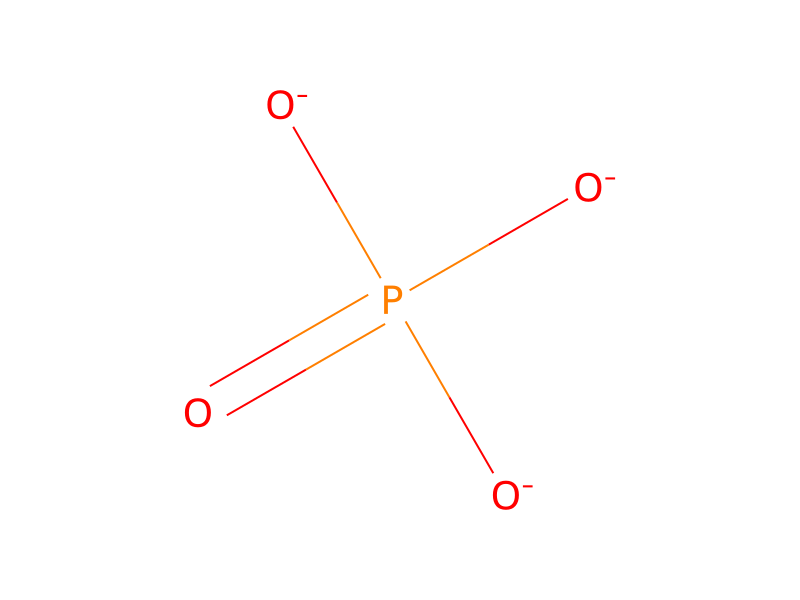


Product 1

Reagents, catalysts & solvents 1

Conditions
- Temperature
- -30 °C
Procedure
173 ml (0.259 mol) of a 1.5 M solution of LDA in THF were added dropwise to a solution of 50.0 g (0.259 mol) of diphenylacetonitrile in 500 ml of THF (abs.) at −78° C. under argon, and the mixture was then stirred at −30° C. for one hour. Then, at −78° C., 28.23 g (0.259 mol) of ethyl bromide were added. The mixture was allowed to reach room temperature and was stirred for 16 hours. Subsequently, 80 ml of phosphate buffer (pH 7) were added and the mixture was evaporated. The residue was taken up in water and extracted three times with ethyl acetate. The combined organic phases were dried over MgSO4, and the solvent was stripped off under reduced pressure. The crude product was chromatographed on silica gel with n-heptane/acetic acid (20:1). 38.2 g (67%) of 2,2-diphenylbutyronitrile were obtained.
Workup
- customto reach room temperature
- stirringwas stirred for 16 hours
- customthe mixture was evaporated
- extractionextracted three times with ethyl acetate
- dry with materialThe combined organic phases were dried over MgSO4
- customThe crude product was chromatographed on silica gel with n-heptane/acetic acid (20:1)
Sources & evidence
- ORD record
- ord-2e9dddc2c9dd481f85f618ab7c421073
- Source dataset
- uspto-grants-2004_02
- Patent number
- US06686369B1
Reaction notes
Loading…