Pyridine → 2-Methyl-2-adamantyl methacrylate
Reaction equation

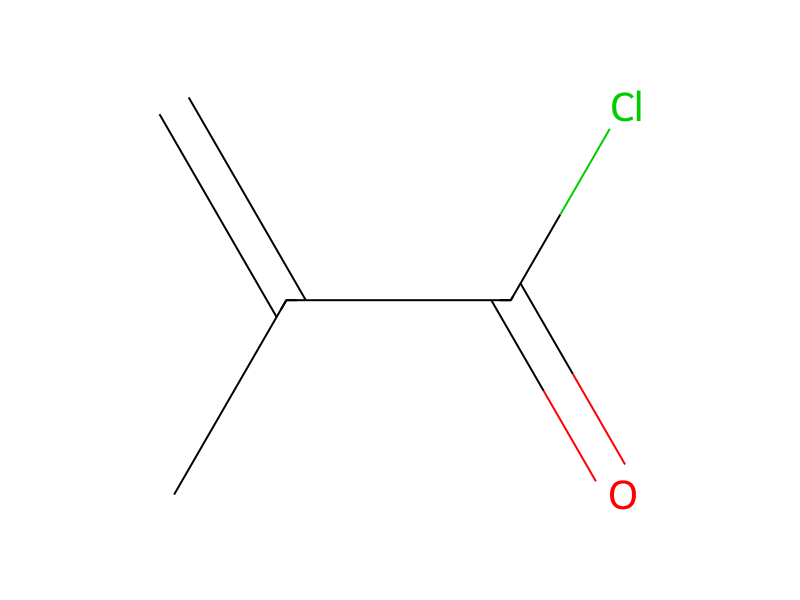
[CH:1]12[CH2:10][CH:5]3[CH2:6][CH:7]([CH2:9][CH:3]([CH2:4]3)[C:2]1=[O:11])[CH2:8]2.C[Mg]Br.N1C=CC=C[CH:16]=1.[C:21](Cl)(=[O:25])[C:22]([CH3:24])=[CH2:23]>O1CCCC1>[C:21]([O:11][C:2]1([CH3:16])[CH:3]2[CH2:9][CH:7]3[CH2:6][CH:5]([CH2:10][CH:1]1[CH2:8]3)[CH2:4]2)(=[O:25])[C:22]([CH3:24])=[CH2:23]Participants
Reactant 4



Product 1

Reagents, catalysts & solvents 1

Conditions
- Temperature
- 50 °C
Procedure
30 g of 2-adamantanone was dissolved in tetrahydrofuran anhydride. Then, 200 ml of solution of methyl magnesium bromide dissolved in tetrahydrofuran in an amount of 1 mol/liter was added thereto at room temperature. After 3 hours, 5 g of pyridine was added, 26 g of methacrylic acid chloride was then added, and the resulting mixture was stirred at 50° C. for 3 hours. After the obtained reaction mixture was concentrated, hexane and a 1N ammonium chloride solution were added to the mixture, and the resulting mixture was shaken to separate an organic phase. Then, the organic phase was washed with a 5% sodium hydroxide solution and then with water, and it was confirmed that the pH of an aqueous phase became 8. The washed organic phase was concentrated so as to obtain crude 2-methyl-2-adamantyl methacrylate containing 90% by weight of 2-methyl-2-adamantyl methacrylate.
Workup
- additionwas added
- customat room temperature
- customAfter the obtained reaction mixture
- concentrationwas concentrated
- additionhexane and a 1N ammonium chloride solution were added to the mixture
- stirringthe resulting mixture was shaken
- customto separate an organic phase
- washThen, the organic phase was washed with a 5% sodium hydroxide solution
- concentrationThe washed organic phase was concentrated so as
Sources & evidence
- ORD record
- ord-5353bf15adb84f6f8321a8a88e830468
- Source dataset
- uspto-grants-2004_02
- Patent number
- US06696595B2
Reaction notes
Loading…