1-Amino-2-propanol → N-(2-hydroxypropyl)methacrylamide
Reaction equation

[NH2:1][CH2:2][CH:3]([OH:5])[CH3:4].C([O-])([O-])=O.[K+].[K+].[CH3:12][C:13]([C:15](Cl)=[O:16])=[CH2:14]>C(#N)C.CO>[OH:5][CH:3]([CH3:4])[CH2:2][NH:1][C:15](=[O:16])[C:13]([CH3:14])=[CH2:12]Participants
Reactant 3
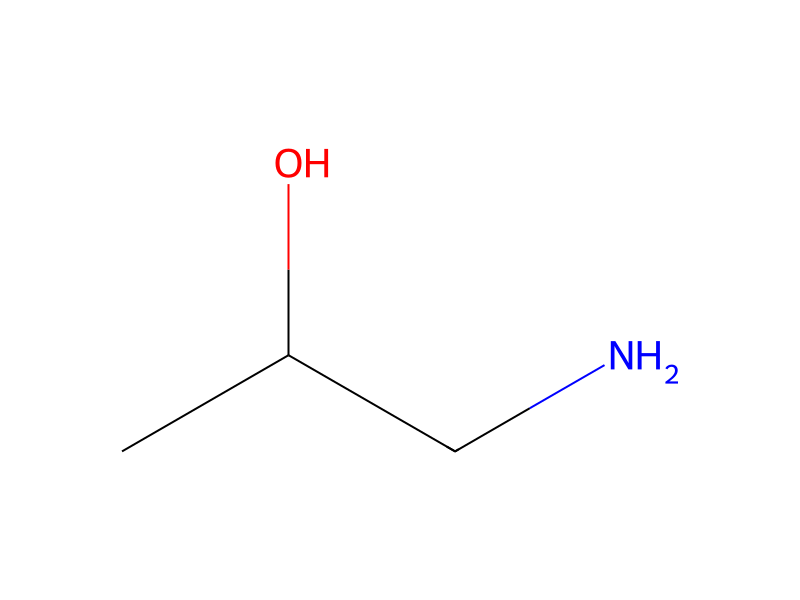

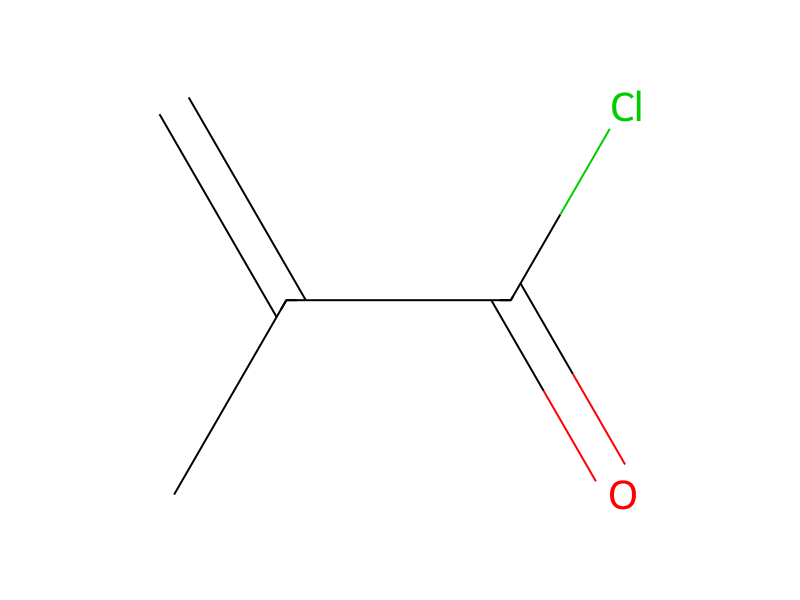
Product 1

Reagents, catalysts & solvents 2


Procedure
3.75 g of 1-amino-2-propanol (0.05 mol) were placed in a three-necked flask, equipped with dropping funnel and gas inlet and gas outlet pipe, together with 30 ml of acetonitrile (anhydrous) and 13.79 g of K2CO3 (0.1 mol), and cooled to 0° C. in an ice bath. 6.18 g of methacryl chloride (0.06 mol), dissolved in 30 ml of acetonitrile, were added dropwise over 30 minutes with constant stirring and gentle passage of nitrogen. After stirring for a further 60 minutes with ice cooling, the mixture was allowed to warm to room temperature and was stirred for a further 30 minutes. The batch was filtered through a glass frit and the precipitate was discarded. The filtrate was concentrated in a rotary evaporator until a viscous oil was produced. This was dissolved in 30 ml of methanol and separated from any precipitate which appeared. The filtrate was again concentrated in a rotary evaporator and the residual amounts of the solvent were removed in a high vacuum. The yield was 6.66 g.
Workup
- customequipped
- additionwere added dropwise over 30 minutes
- stirringAfter stirring for a further 60 minutes with ice cooling
- stirringwas stirred for a further 30 minutes
- filtrationThe batch was filtered through a glass frit
- concentrationThe filtrate was concentrated in a rotary evaporator until a viscous oil
- customwas produced
- customseparated from any precipitate which
- concentrationThe filtrate was again concentrated in a rotary evaporator
- customthe residual amounts of the solvent were removed in a high vacuum
Sources & evidence
- ORD record
- ord-300efb8abe87472781eb36315b842cc8
- Source dataset
- uspto-grants-1990_07
- Patent number
- US04945146
Reaction notes
Loading…