Hydrochloric Acid → 4-(4-Oxocyclohexyl)-1,3-oxazinan-2-one
Reaction equation

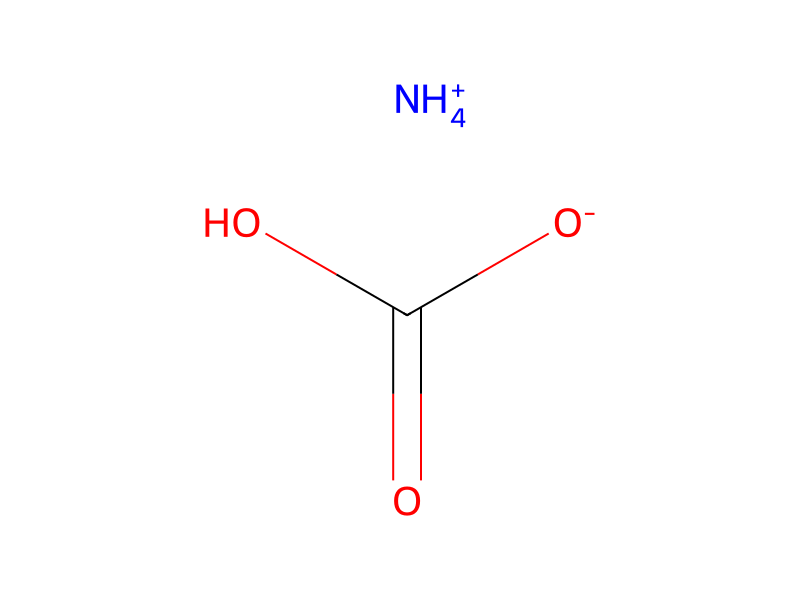
O1[C:5]2([CH2:10][CH2:9][CH:8]([CH:11]3[CH2:16][CH2:15][O:14][C:13](=[O:17])[NH:12]3)[CH2:7][CH2:6]2)[O:4]CC1.C(#N)C.Cl.C(=O)(O)[O-].[NH4+]>O>[O:4]=[C:5]1[CH2:10][CH2:9][CH:8]([CH:11]2[CH2:16][CH2:15][O:14][C:13](=[O:17])[NH:12]2)[CH2:7][CH2:6]1Participants
6





Procedure
A 250 mL round bottom flask was charge with 4-(1,4-dioxaspiro[4.5]decan-8-yl)-1,3-oxazinan-2-one (1.39 g, 5.76 mmol) and acetonitrile (96 mL). A solution of concentrated HCl (6.4 mL) in water (19 mL) was added to the mixture. The mixture was stirred at room temperature for 20 h. Saturated aqueous ammonium bicarbonate was added until the pH was >7. The mixture was extracted with ethyl acetate. Dry organic layer with MgSO4, filter, and concentrate in vacuo to give the target material as a clear oil.
Workup
- extractionThe mixture was extracted with ethyl acetate
- filtrationDry organic layer with MgSO4, filter
- concentrationconcentrate in vacuo
Sources & evidence
- ORD record
- ord-1ce8b7506cf24b20a01424b5185baad9
- Source dataset
- uspto-grants-2015_06
- Patent number
- US09062048B2
Reaction notes
Loading…