Toluene → Anthracene
Reaction equation

C1C2C(=CC=C([C:11]3[C:12]4[C:17]([C:18](Br)=[C:19]5[C:24]=3[CH:23]=[CH:22][CH:21]=[CH:20]5)=[CH:16][CH:15]=[CH:14][CH:13]=4)C=2)C=CC=1C1C=CC2C(=CC=CC=2)C=1.C1(C2C=CC=CC=2)C(B(O)O)=CC=CC=1.P([O-])([O-])([O-])=O.[K+].[K+].[K+].C1(C)C=CC=CC=1>C1C=CC(/C=C/C(/C=C/C2C=CC=CC=2)=O)=CC=1.C1C=CC(/C=C/C(/C=C/C2C=CC=CC=2)=O)=CC=1.[Pd].C1(P(C2CCCCC2)C2CCCCC2)CCCCC1.O.C(O)C>[CH:13]1[C:12]2[C:17](=[CH:18][C:19]3[C:24]([CH:11]=2)=[CH:23][CH:22]=[CH:21][CH:20]=3)[CH:16]=[CH:15][CH:14]=1Participants
Reactant 4




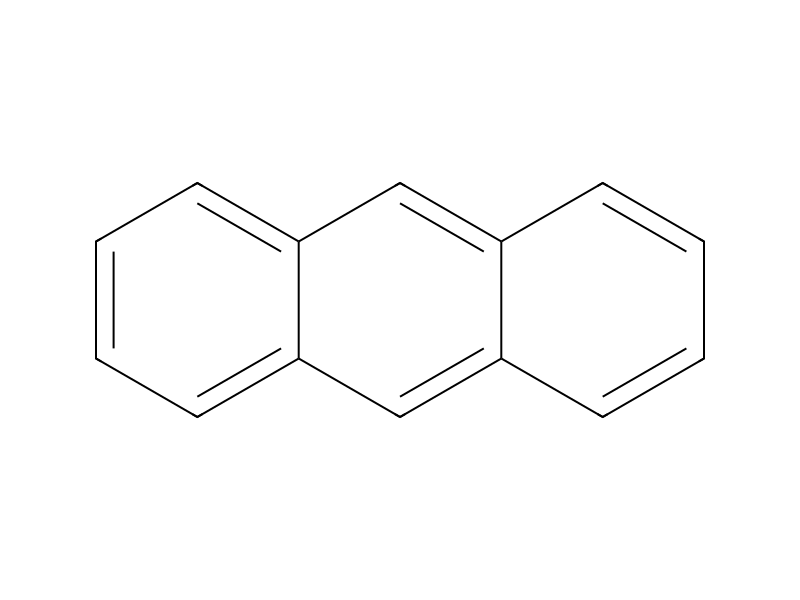
Product 1
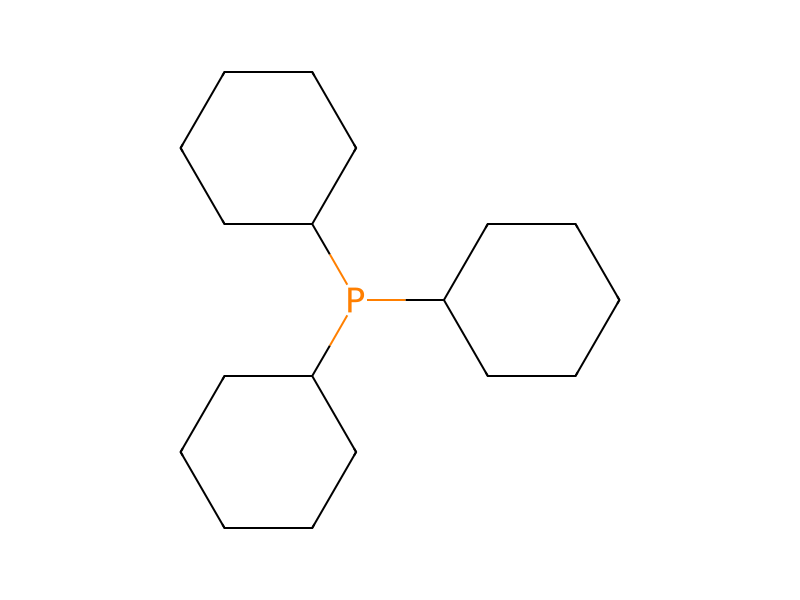
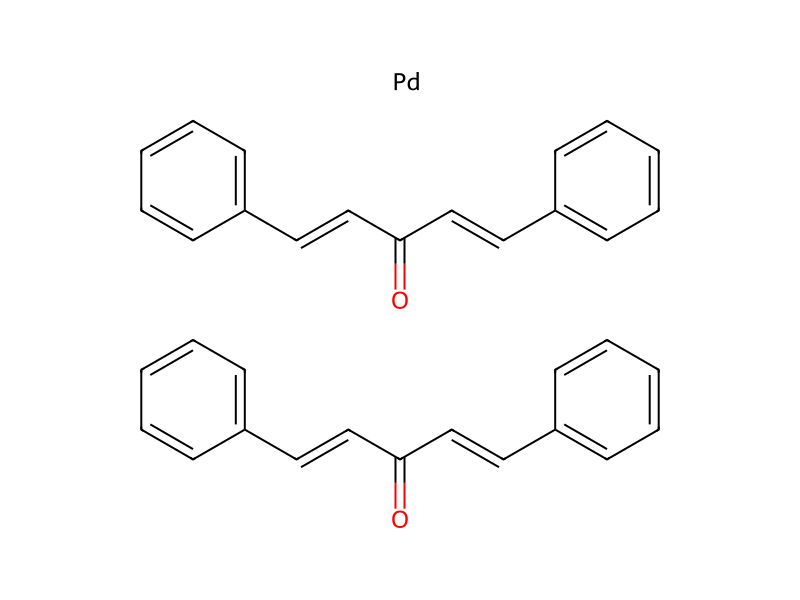
Reagents, catalysts & solvents 4


Procedure
Under the nitrogen atmosphere, [9-([2,2′-binaphthalen]-7-yl)-10-bromoanthracene (2.0 g) as the tenth intermediate compound, p-biphenylboronic acid (0.9 g), Pd(dba)2 (0.05 g), tricyclohexyl phosphine (0.05 g), potassium phosphate (1.7 g), and a mixture solvent of toluene and ethanol (15 ml) (toluene/ethanol=4/1 (volume ratio)) were added to a flask and then refluxed for 3 hours. Once the heating is completed, it was cooled to room temperature and added with water. The precipitates were collected by suction filtration. The obtained solid was washed with water followed by methanol and purified by silica gel column chromatography (solvent: toluene) and further by active carbon column chromatography (solvent: toluene) to give 9-([1,1′-biphenyl]-4-yl)-10-([2,2′-binaphthalen]-7-yl)]anthracene (0.6 g) as the target compound represented by Formula (1-129). The scheme is shown in the following “Reaction 20”.
Workup
- temperaturerefluxed for 3 hours
- filtrationThe precipitates were collected by suction filtration
- washThe obtained solid was washed with water
- custompurified by silica gel column chromatography (solvent: toluene) and further by active carbon column chromatography (solvent: toluene)
Sources & evidence
- ORD record
- ord-557d0196e940463d8134e2f3902787ac
- Source dataset
- uspto-grants-2015_06
- Patent number
- US09070885B2
Reaction notes
Loading…