Hydrogen Peroxide → HCID 57172614, compound
Reaction equation

OO.[OH:3][N:4]1[C:9]([CH3:11])([CH3:10])[CH2:8][CH:7]([CH2:12][CH2:13][CH2:14][CH2:15][NH:16][C:17]2[N:22]=[C:21]([NH:23][CH2:24][CH2:25][CH2:26][CH2:27][CH:28]3[CH2:33][C:32]([CH3:35])([CH3:34])[N:31]([OH:36])[C:30]([CH3:38])([CH3:37])[CH2:29]3)[N:20]=[C:19]([NH:39][CH2:40][CH2:41][CH2:42][CH2:43][CH:44]3[CH2:49][C:48]([CH3:51])([CH3:50])[N:47]([OH:52])[C:46]([CH3:54])([CH3:53])[CH2:45]3)[N:18]=2)[CH2:6][C:5]1([CH3:56])[CH3:55].S([O-])([O-])=O.[Na+].[Na+].[C:63]([OH:67])([CH3:66])([CH3:65])[CH3:64]>O.C(OCC)(=O)C>[OH:67][C:63]([CH3:66])([CH3:65])[CH2:64][O:52][N:47]1[C:46]([CH3:54])([CH3:53])[CH2:45][CH:44]([CH2:43][CH2:42][CH2:41][CH2:40][NH:39][C:19]2[N:18]=[C:17]([NH:16][CH2:15][CH2:14][CH2:13][CH2:12][CH:7]3[CH2:6][C:5]([CH3:56])([CH3:55])[N:4]([O:3][CH2:64][C:63]([CH3:66])([OH:67])[CH3:65])[C:9]([CH3:11])([CH3:10])[CH2:8]3)[N:22]=[C:21]([NH:23][CH2:24][CH2:25][CH2:26][CH2:27][CH:28]3[CH2:33][C:32]([CH3:34])([CH3:35])[N:31]([O:36][CH2:64][C:63]([CH3:66])([OH:67])[CH3:65])[C:30]([CH3:38])([CH3:37])[CH2:29]3)[N:20]=2)[CH2:49][C:48]1([CH3:51])[CH3:50]Participants
Reactant 4


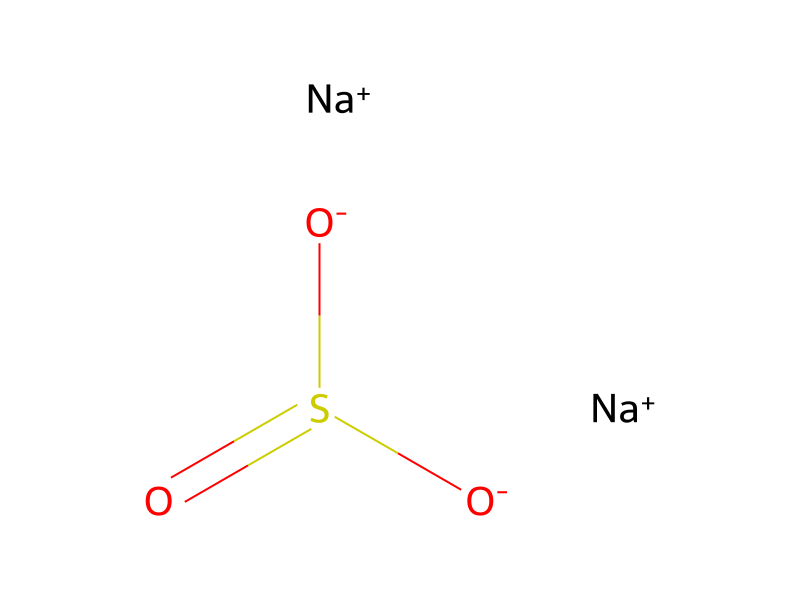

Product 1

Reagents, catalysts & solvents 2


Conditions
- Temperature
- 60 °C
Procedure
A solution of 40 g (0.35 mol) of 30% aqueous hydrogen peroxide is added over 1.25 hours to a mixture of 11.7 g (0.011 mol) of 2,4,6-tris[N-(1-oxyl-2,2,6,6-tetramethylpiperidin -4-yl]butylamino}s-triazine and 3.0 g (0.015 mol) of ferrous chloride tetrahydrate in 100 g of tert-butyl alcohol and 9 g of water. The reaction temperature is maintained at 60-65° C. during the peroxide addition. Two equal portions (2 g, 0.29 mol) of 50% aqueous hydrogen peroxide are added to the reaction mixture while the temperature is maintained at 60° C. for 9.5 hours. After the reaction mixture is diluted with ethyl acetate and cooled to room temperature, a solution of 100 g of 20% aqueous sodium sulfite is added. The reaction mixture is heated at 60° C. for one hour to decompose the excess peroxide. The aqueous layer is extracted with ethyl acetate, and the combined organic layers are concentrated. The crude product is purified by flash chromatography on silica gel with 2:1 (v/v) cyclohexanelethyl acetate to afford a material which is triturated with 1:1 (v/v) cyclohexanelacetone to give 4.0 g of the title compound as a white solid, melting at 172-176° C.
Workup
- temperaturecooled to room temperature
- temperatureThe reaction mixture is heated at 60° C. for one hour
- extractionThe aqueous layer is extracted with ethyl acetate
- concentrationthe combined organic layers are concentrated
- customThe crude product is purified by flash chromatography on silica gel with 2:1 (v/v) cyclohexanelethyl acetate
- customto afford a material which
- customis triturated with 1:1 (v/v) cyclohexanelacetone
Sources & evidence
- ORD record
- ord-14e458001cd14a568370c676da1adaf3
- Source dataset
- uspto-grants-2002_06
- Patent number
- US06403681B2
Reaction notes
Loading…