Acridan → 9,10-Dihydro-10-phenylacridine
Reaction equation

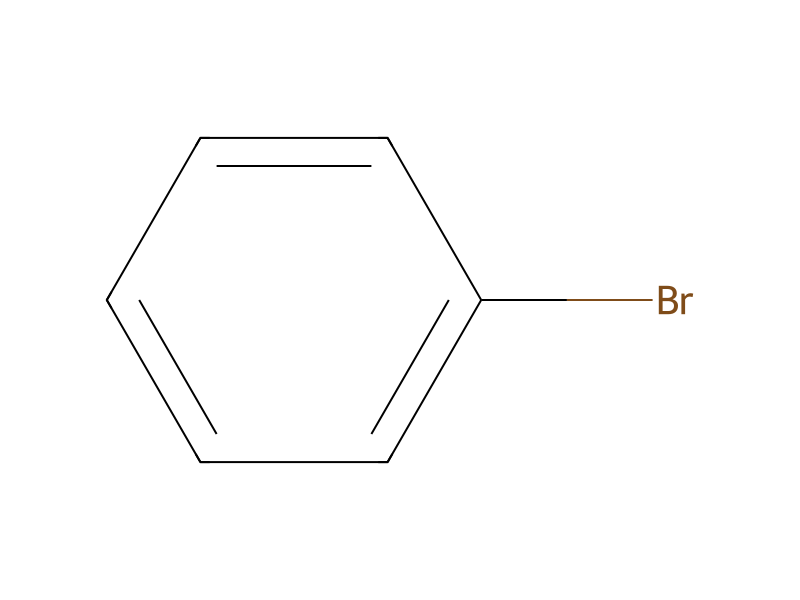
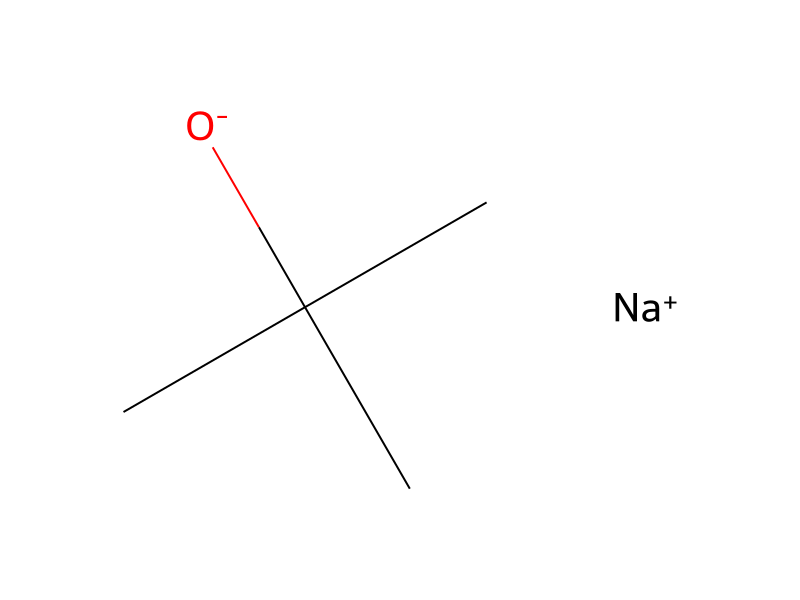
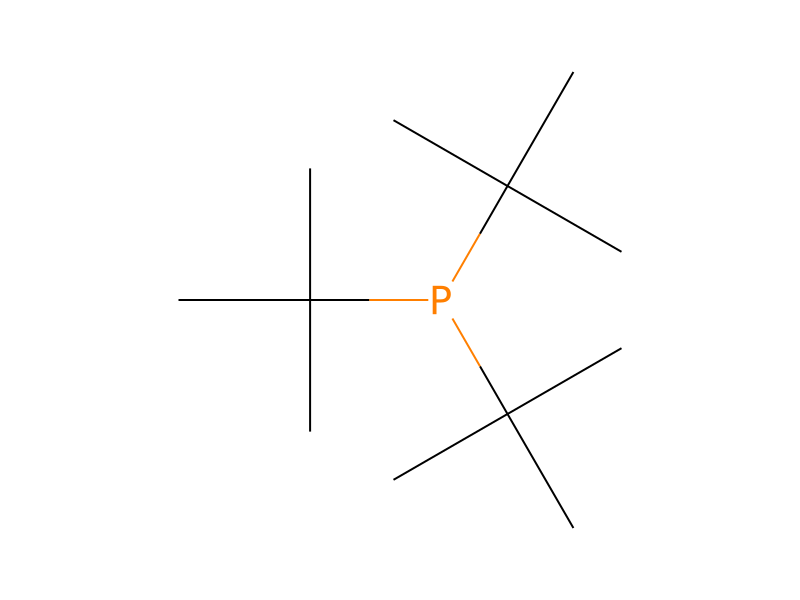
[CH:1]1[C:14]2[CH2:13][C:12]3[C:7](=[CH:8][CH:9]=[CH:10][CH:11]=3)[NH:6][C:5]=2[CH:4]=[CH:3][CH:2]=1.Br[C:16]1[CH:21]=[CH:20][CH:19]=[CH:18][CH:17]=1.CC(C)([O-])C.[Na+]>C1(C)C=CC=CC=1.CC([O-])=O.CC([O-])=O.[Pd+2].C(P(C(C)(C)C)C(C)(C)C)(C)(C)C>[C:16]1([N:6]2[C:7]3[C:12](=[CH:11][CH:10]=[CH:9][CH:8]=3)[CH2:13][C:14]3[CH:1]=[CH:2][CH:3]=[CH:4][C:5]2=3)[CH:21]=[CH:20][CH:19]=[CH:18][CH:17]=1Participants
7




Procedure
18.12 g of acridan (0.10 mol), 17.30 g of bromobenzene (0.11 mol), 14.40 g of sodium t-butoxide (0.15 mol), 1.12 g of Pd(OAc)2 (5 mmol), and 0.81 g of tri-t-butylphosphine (4 mmol) were taken up in 100 mL of dry toluene and this reaction mixture was allowed to stir under inert atmosphere. The exothermic reaction heated to reflux, then cooled to room temperature and was allowed to stir for 1 h. TLC analysis showed the reaction had gone to completion, so the reaction mixture was passed through a short plug of silica gel, which was subsequently washed with 1 L of CH2Cl2. The filtrate was concentrated to dryness and purified by column chromatography to afford 25.21 g of the N-phenylacridan (98.0%).
Workup
- customThe exothermic reaction
- temperatureheated
- temperatureto reflux
- stirringto stir for 1 h
- washwas subsequently washed with 1 L of CH2Cl2
- concentrationThe filtrate was concentrated to dryness
- custompurified by column chromatography
Sources & evidence
- ORD record
- ord-2b95a77f060849b5a5aca4c22e0a752c
- Source dataset
- uspto-grants-2002_06
- Patent number
- US06410732B2
Reaction notes
Loading…