Phosphorus oxybromide → HCID 58149871, compound
Reaction equation

P(Br)(Br)([Br:3])=O.[Cl:6][C:7]1[CH:8]=[C:9]([C:17]2[O:21][N:20]=[C:19]([C:22]3[CH:31]=[CH:30][CH:29]=[C:28]4[C:23]=3[CH:24]=[CH:25][NH:26][C:27]4=O)[N:18]=2)[CH:10]=[CH:11][C:12]=1[O:13][CH:14]([CH3:16])[CH3:15].C([O-])(O)=O.[Na+]>ClCCCl>[Br:3][C:27]1[C:28]2[C:23](=[C:22]([C:19]3[N:18]=[C:17]([C:9]4[CH:10]=[CH:11][C:12]([O:13][CH:14]([CH3:16])[CH3:15])=[C:7]([Cl:6])[CH:8]=4)[O:21][N:20]=3)[CH:31]=[CH:30][CH:29]=2)[CH:24]=[CH:25][N:26]=1Participants
5
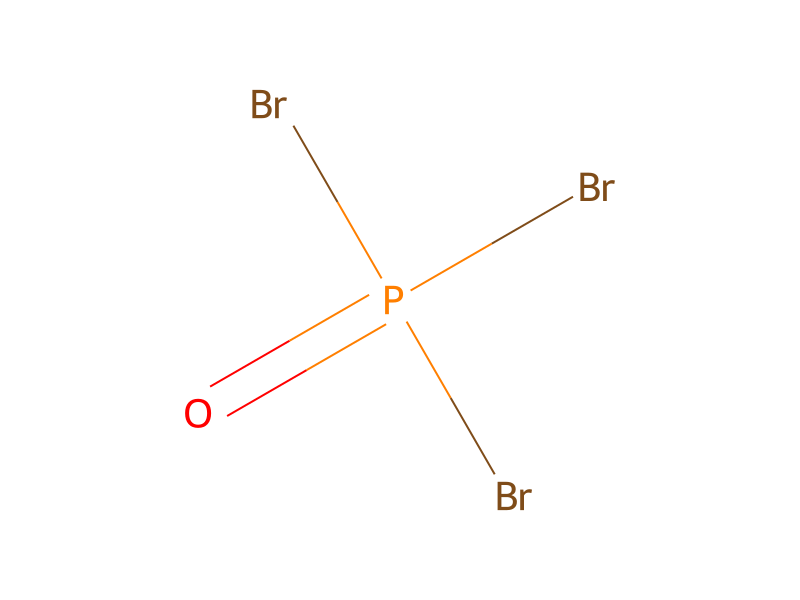




Procedure
Phosphorus oxybromide (3.9 g) was added to a suspension of 5-(5-{3-chloro-4-[(1-methylethyl)oxy]phenyl}-1,2,4-oxadiazol-3-yl)-1(2H)-isoquinolinone (D39; 2.6 g) in 1,2-dichloroethane (300 ml) at room temperature. The resulting suspension was heated under reflux and stirred overnight. The reaction mixture was poured into cold sat. aq. NaHCO3 and the organic layer was separated. The aqueous layer was extracted with DCM (100 ml). The organic fractions were combined and dried over anhydrous sodium sulphate. The dried solution was filtered and the filtrate was concentrated to give the title compound (1 g).
Workup
- temperatureThe resulting suspension was heated
- temperatureunder reflux
- customthe organic layer was separated
- extractionThe aqueous layer was extracted with DCM (100 ml)
- dry with materialdried over anhydrous sodium sulphate
- filtrationThe dried solution was filtered
- concentrationthe filtrate was concentrated
Sources & evidence
- ORD record
- ord-8d8b8ac2026f460d8c6b5d46a7434653
- Source dataset
- uspto-grants-2012_12
- Patent number
- US08329730B2
Reaction notes
Loading…