Methacryloyl chloride → HCID 89880894, compound
Reaction equation

Cl.[N+:2]([C:5]1[CH:10]=[CH:9][C:8]([CH2:11][CH2:12][NH2:13])=[CH:7][CH:6]=1)([O-:4])=[O:3].C(=O)([O-])O.[Na+].[C:19](Cl)(=[O:23])[C:20]([CH3:22])=[CH2:21]>O.C(OCC)(=O)C>[N+:2]([C:5]1[CH:6]=[CH:7][C:8]([CH2:11][CH2:12][NH:13][C:19](=[O:23])[C:20]([CH3:22])=[CH2:21])=[CH:9][CH:10]=1)([O-:4])=[O:3]Participants
Reactant 3
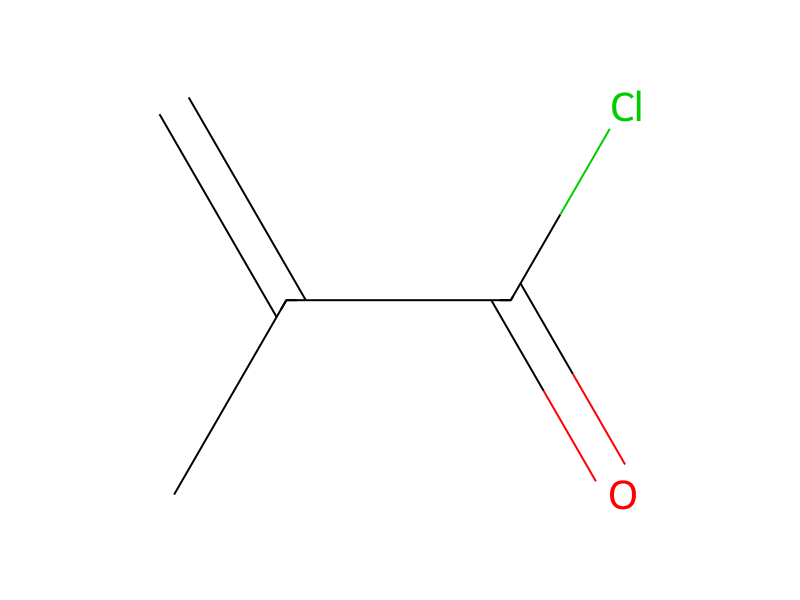


Product 1

Reagents, catalysts & solvents 2


Procedure
2-(4-Nitrophenyl)ethylamine hydrochloride (1.72 g) and sodium hydrogencarbonate (5.00 g) were dissolved in water (25 mL), to which ethyl acetate (25 mL) was added, followed by being stirred in an ice bath. Methacryloyl chloride (1.79 g) was added dropwise thereto. After stirring for 10 minutes, the organic layer was separated. The aqueous layer was extracted with ethyl acetate, the organic layers were combined, washed with water and brine, dried over anhydrous sodium sulfate, and evaporated under reduced pressure. The recrystallization was performed by using a mixture solvent of hexane and ethyl acetate. N-[2-(4-Nitrophenyl)ethyl]methacrylamide was obtained as pale yellowish crystals. The yield was 1.25 g (63%). Spectrum data of 1H-NMR (400 MHz, CDCl3) is shown for the obtained compound.
Workup
- additionwas added
- stirringAfter stirring for 10 minutes
- customthe organic layer was separated
- extractionThe aqueous layer was extracted with ethyl acetate
- washwashed with water and brine
- dry with materialdried over anhydrous sodium sulfate
- customevaporated under reduced pressure
- customThe recrystallization
Sources & evidence
- ORD record
- ord-a11db63021ac408ca32e6ee75de6c4b5
- Source dataset
- uspto-grants-2016_06
- Patent number
- US09365501B2
Reaction notes
Loading…