Anisole → 1-(2-cyclopropyl-1-methyl-1H-benzimidazol-6-yl)-4-hydroxypyridin-2(1H)-one
Reaction equation

C([O:8][C:9]1[CH:14]=[CH:13][N:12]([C:15]2[CH:16]=[CH:17][C:18]3[N:22]=[C:21]([CH:23]4[CH2:25][CH2:24]4)[N:20]([CH3:26])[C:19]=3[CH:27]=2)[C:11](=[O:28])[CH:10]=1)C1C=CC=CC=1.C1(OC)C=CC=CC=1>C(O)(C(F)(F)F)=O>[CH:23]1([C:21]2[N:20]([CH3:26])[C:19]3[CH:27]=[C:15]([N:12]4[CH:13]=[CH:14][C:9]([OH:8])=[CH:10][C:11]4=[O:28])[CH:16]=[CH:17][C:18]=3[N:22]=2)[CH2:24][CH2:25]1Participants
4
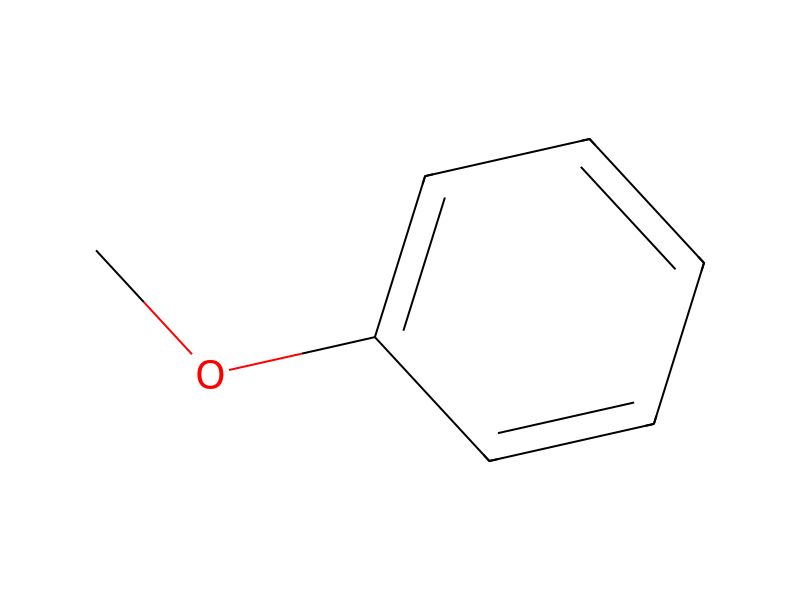


Conditions
- Temperature
- 130 °C
Procedure
To a stirred solution of 4-(benzyloxy)-1-(2-cyclopropyl-1-methyl-1H-benzimidazol-6-yl)pyridin-2(1H)-one (840 mg) in TFA (21 ml) was added anisole (7 ml), and the reaction mixture was heated at 130° C. for 4 h. The mixture was cooled and concentrated in vacuo. The residue was triturated with Et2O to give the title compound (778 mg) as a white solid.
Workup
- temperatureThe mixture was cooled
- concentrationconcentrated in vacuo
- customThe residue was triturated with Et2O
Sources & evidence
- ORD record
- ord-e4beb310f545499faa289caf49b7fe4a
- Source dataset
- uspto-grants-2016_06
- Patent number
- US09365540B2
Reaction notes
Loading…