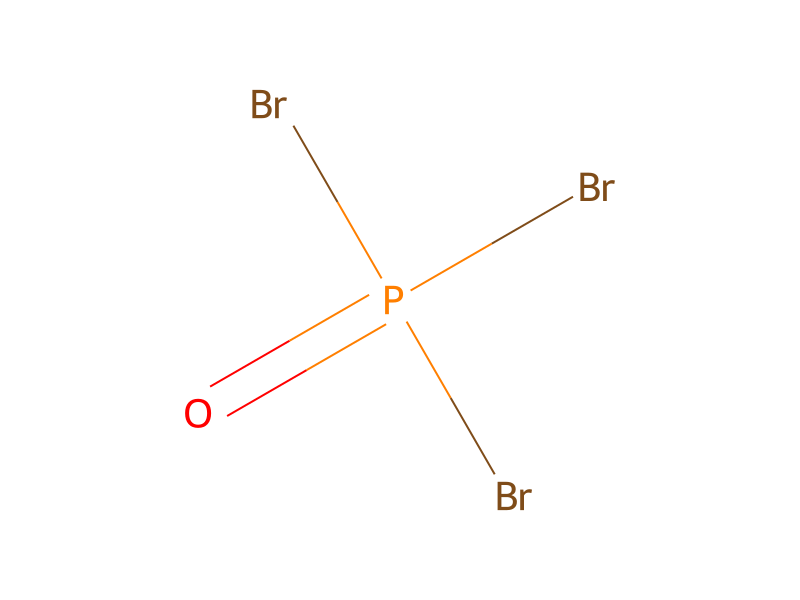
Phosphorus oxybromide → 4-Bromo-1-(2-cyclopropyl-1-methyl-1H-benzimidazol-6-yl)pyridin-2(1H)-one
Reaction equation

[CH:1]1([C:4]2[N:8]([CH3:9])[C:7]3[CH:10]=[C:11]([N:14]4[CH:19]=[CH:18][C:17](O)=[CH:16][C:15]4=[O:21])[CH:12]=[CH:13][C:6]=3[N:5]=2)[CH2:3][CH2:2]1.P(Br)(Br)([Br:24])=O.C([O-])(O)=O.[Na+]>CN(C=O)C>[Br:24][C:17]1[CH:18]=[CH:19][N:14]([C:11]2[CH:12]=[CH:13][C:6]3[N:5]=[C:4]([CH:1]4[CH2:3][CH2:2]4)[N:8]([CH3:9])[C:7]=3[CH:10]=2)[C:15](=[O:21])[CH:16]=1Participants
5
Reactant 3


Product 1

Reagents, catalysts & solvents 1

Conditions
- Temperature
- 50 °C
Procedure
To a suspension of 1-(2-cyclopropyl-1-methyl-1H-benzimidazol-6-yl)-4-hydroxypyridin-2(1H)-one (2 g) in DMF (35 ml) was added phosphoryltribromide (2.45 g) at room temperature, and the mixture was stirred at 50° C. overnight. The mixture was poured into saturated NaHCO3 solution, and extracted with EtOAc. The organic layer was washed with water and brine successively, dried over MgSO4 and concentrated in vacua. The resulting residual solid was recrystallized from EtOH-hexane to give the title compound (1.70 g) as a brown solid.
Workup
- extractionextracted with EtOAc
- washThe organic layer was washed with water and brine successively
- dry with materialdried over MgSO4
- concentrationconcentrated in vacua
- customThe resulting residual solid was recrystallized from EtOH-hexane
Sources & evidence
- ORD record
- ord-a523cab0eba349daa17ed76968d772c1
- Source dataset
- uspto-grants-2016_06
- Patent number
- US09365540B2
Reaction notes
Loading…