Potassium Carbonate → 1-methyl-5-phenyl-3-(pyrrolidin-1-yl)-1H-pyrazolo[3,4-c]pyridazin-4-ol
Reaction equation

I[C:2]1[C:10]2[C:9]([OH:11])=[C:8]([C:12]3[CH:17]=[CH:16][CH:15]=[CH:14][CH:13]=3)[N:7]=[N:6][C:5]=2[N:4]([CH3:18])[N:3]=1.[NH:19]1[CH2:26][CH2:25][CH2:24][C@H:20]1C(O)=O.C([O-])([O-])=O.[K+].[K+]>CN(C=O)C.[Cu](I)I>[CH3:18][N:4]1[C:5]2[N:6]=[N:7][C:8]([C:12]3[CH:17]=[CH:16][CH:15]=[CH:14][CH:13]=3)=[C:9]([OH:11])[C:10]=2[C:2]([N:19]2[CH2:26][CH2:25][CH2:24][CH2:20]2)=[N:3]1Participants
6

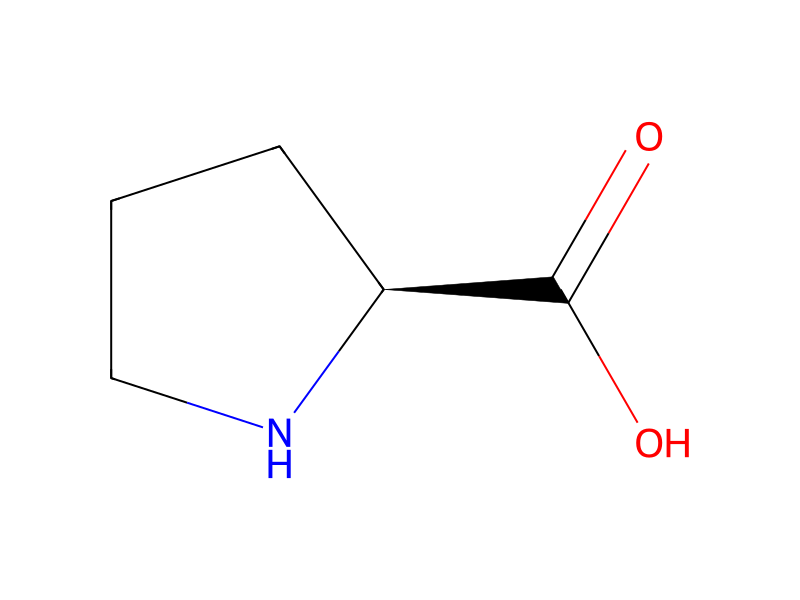




Conditions
- Temperature
- 110 °C
Procedure
A mixture of 3-iodo-1-methyl-5-phenyl-1H-pyrazolo[3,4-c]pyridazin-4-ol (100 mg, 0.28 mmol), copper iodide (11 mg, 0.056 mmol), L-proline (13 mg, 0.11 mmol), K2CO3 (193 mmol, 1.4 mmol) in anhydrous DMF (5.6 mL) was degassed by bubbling nitrogen through for 10 minutes, then heated to 110° C. for 20 h. The mixture was left to cool to room temperature, then partitioned between ethyl acetate and water, and the aqueous phase was extracted with ethyl acetate. The organic phases were combined, dried (MgSO4), filtered and evaporated. The residue (117 mg) was used as such in the next step.
Workup
- customwas degassed
- customby bubbling nitrogen through for 10 minutes
- waitThe mixture was left
- temperatureto cool to room temperature
- custompartitioned between ethyl acetate and water
- extractionthe aqueous phase was extracted with ethyl acetate
- dry with materialdried (MgSO4)
- filtrationfiltered
- customevaporated
Sources & evidence
- ORD record
- ord-a54633765b9b41599789323cf311899a
- Source dataset
- uspto-grants-2016_06
- Patent number
- US09371332B2
Reaction notes
Loading…