Ethanol → 3-(3-Trifluoromethylphenyl)-2-(4-trifluoromethylphenyl)-propionic acid
Reaction equation

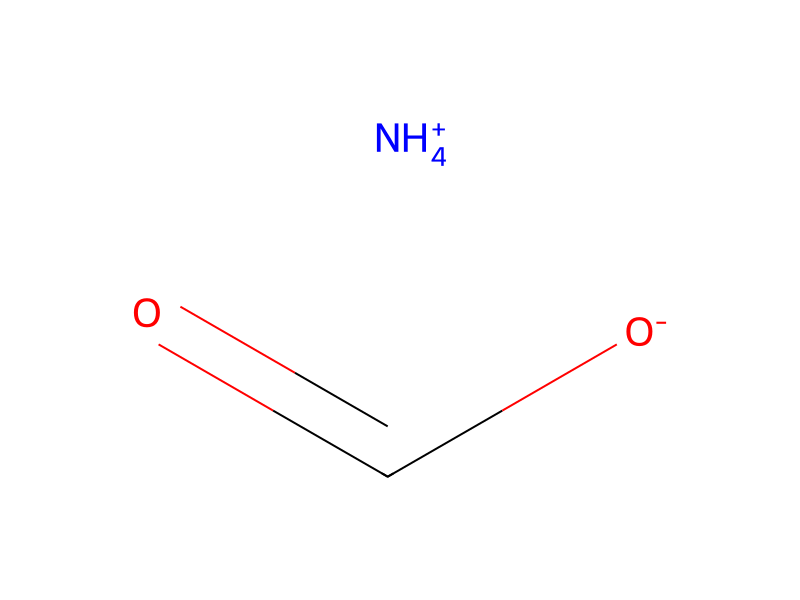
[F:1][C:2]([F:25])([F:24])[C:3]1[CH:4]=[C:5](/[CH:9]=[C:10](/[C:14]2[CH:19]=[CH:18][C:17]([C:20]([F:23])([F:22])[F:21])=[CH:16][CH:15]=2)\[C:11]([OH:13])=[O:12])[CH:6]=[CH:7][CH:8]=1.C(O)C.C([O-])=O.[NH4+].C(OCC)(=O)C>[Pd].C(O)(=O)C>[F:1][C:2]([F:24])([F:25])[C:3]1[CH:4]=[C:5]([CH2:9][CH:10]([C:14]2[CH:19]=[CH:18][C:17]([C:20]([F:22])([F:23])[F:21])=[CH:16][CH:15]=2)[C:11]([OH:13])=[O:12])[CH:6]=[CH:7][CH:8]=1Participants
Reactant 4



Product 1

Reagents, catalysts & solvents 2


Conditions
- Temperature
- 80 °C
Procedure
A three neck, one liter round bottom flask equipped with condenser, thermometer, nitrogen line and magnetic stirrer was charged with Z-3-(3-trifluoromethylphenyl)-2-(4-trifluoromethylphenyl)-acrylic acid (103, 2.28 g, 6.3 mmol), ethanol (104 mL), palladium black (101.1 mg) and ammonium formate (1.608 g, 25.5 mmol). The reaction mixture was heated to 80° C. for 4 hours. An aliquot was taken and TLC (solvent system was 20% ethyl acetate in hexanes with an acetic acid spike) showed absence of starting material. The solution was cooled to room temperature and vacuum filtered using a glass frit funnel. The solution was concentrated by rotary evaporation and high vaccum, yielding 3-(3-trifluoromethylphenyl)-2-(4-trifluoromethylphenyl)-propionic acid (2.83 g) 105.
Workup
- customA three neck, one liter round bottom flask equipped with condenser
- temperatureThe solution was cooled to room temperature
- filtrationvacuum filtered
- concentrationThe solution was concentrated by rotary evaporation and high vaccum
Sources & evidence
- ORD record
- ord-d626d3f3e21f48b6bedb8173e6626d07
- Source dataset
- uspto-grants-2008_05
- Patent number
- US07371888B2
Reaction notes
Loading…