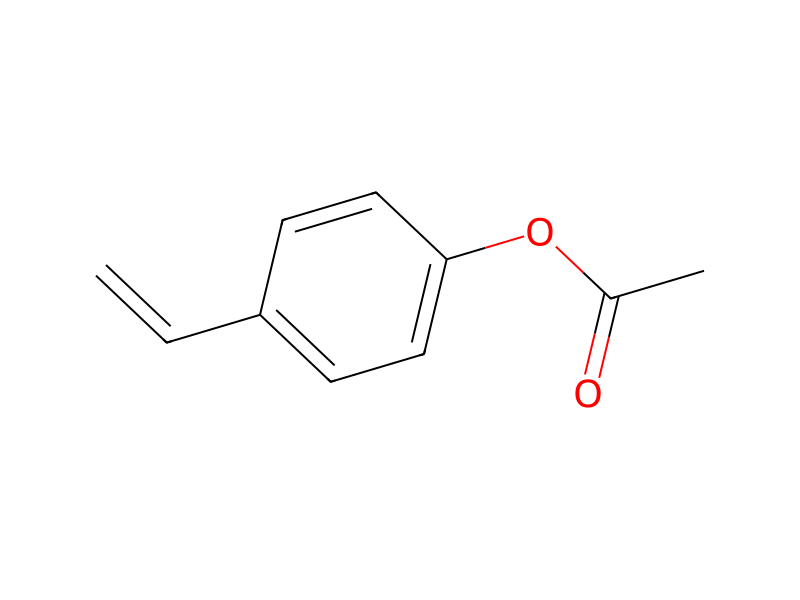
Pyridine → 4-Ethenylphenyl acetate
Reaction equation

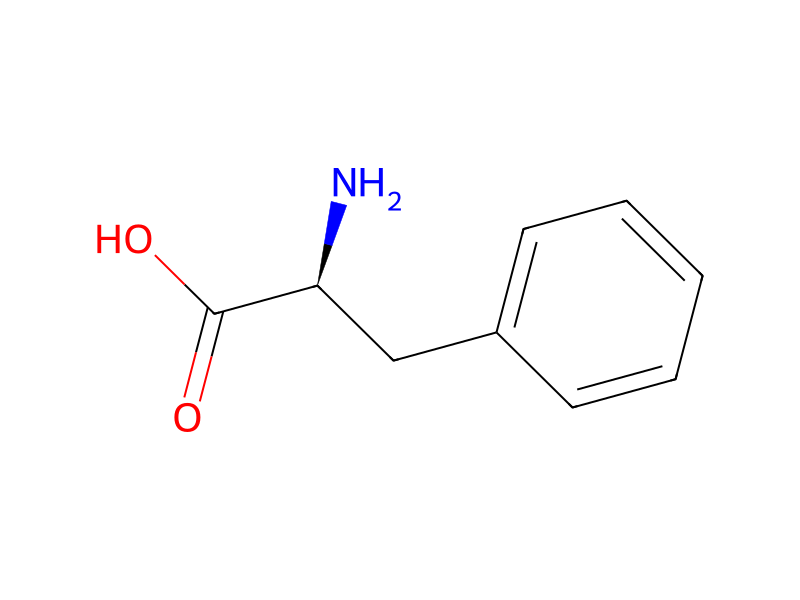
[CH3:1][CH2:2][CH2:3][CH2:4][CH2:5][CH2:6][O:7][C:8]([C:10](C#N)=C)=[O:9].[C:14](O)(=O)[CH:15]=CC1C=CC=CC=1.N[C@H](C(O)=O)CC1C=CC=CC=1.N[C@H](C(O)=O)CC1C=CC(O)=CC=1.S(=O)(=O)(O)O.N1C=CC=CC=1.C(OC(=O)C)(=O)C>C1(C)C=CC=CC=1>[C:8]([O:7][C:6]1[CH:1]=[CH:2][C:3]([CH:14]=[CH2:15])=[CH:4][CH:5]=1)(=[O:9])[CH3:10]Participants







Conditions
- Temperature
- 30 °C
Procedure
A 1.0 L jacketed Wheaton CelStir® reactor is charged with 0.335 L of the fermentation supernatant, obtained from a PHCA fermentation, as described in Example 6. The fermentation supernatant contains PHCA, cinnamic acid (CA), phenylalanine, tyrosine (all produced by the recombinant E. coli cells), and salts at pH 6.0. The pH of the pHCA-containing fermentation supernatant is adjusted to pH 6.0 using concentrated sulfuric acid for the enzymatic decarboxylation. Cell-free extract containing PDC2 (0.30 mL, 55 Units; 2.2 mg protein), prepared as described in Example 1, is added along with 0.15 L of reagent grade toluene containing 42 mg of ProStab® 5415 (Ciba Specialty Chemicals, Tarrytown, N.Y.), as a polymerization inhibitor. The reactor is capped, placed on a magnetic stir plate, and stirred at moderate speed. The reaction temperature is set at 40° C. The reaction is allowed to proceed for 2 h before terminating. The contents of the reactor are transferred to a 500 mL separatory funnel and the layers are allowed to separate. If the organic layer contains an emulsion, it is broken by filtering through a glass-fritted Buchner funnel of medium porosity. The filtrate has two immiscible layers, a colorless organic layer and a yellow aqueous layer. The layers are separated by passing through phase-separated cellulose filter paper, which allows the organic layer to selectively pass through into the receiving flask. The organic layer is recovered and immediately transferred to a 250 mL round-bottomed flask containing a stir bar. The flask is charged with pyridine (CAS110-86-1, 0.300 mL, 3.71 mmol) and acetic anhydride (CAS108-24-7, 4.0 mL, 42.4 mmol). The progress of the acetylation reaction is monitored by TLC until all of the pHS is converted and only a single spot appears on the TLC plate. A yellow oil is recovered by rotary evaporation under vacuum (13.3 kPa) with mild heating (30° C.). The isolated oil (1.41 g) is characterized by gas chromatography. Further purification of the acetoxystyrene product could be achieved by known methods (see for example Chosnek et. al. U.S. Pat. No. 5,136,083). This prophetic Example demonstrates how the pHS extracted into the organic medium of the biphasic reaction mixture may be derivatized to give a derivatized product such as para-acetoxystyrene.
Workup
- customproduced by the recombinant E
- extractionCell-free extract
- additioncontaining PDC2 (0.30 mL, 55 Units; 2.2 mg protein)
- customprepared
- customThe reactor is capped
- customis set at 40° C
- custombefore terminating
- customThe contents of the reactor are transferred to a 500 mL separatory funnel
- customto separate
- filtrationby filtering through a glass-fritted Buchner funnel of medium porosity
- customThe layers are separated
- customthrough phase-separated cellulose
- filtrationfilter paper, which
- customThe organic layer is recovered
- customimmediately transferred to a 250 mL round-bottomed flask
- additioncontaining a stir bar
- customThe progress of the acetylation reaction
- customA yellow oil is recovered by rotary evaporation under vacuum (13.3 kPa)
- customFurther purification of the acetoxystyrene product
- extractionextracted into the organic medium of the biphasic reaction mixture
Sources & evidence
- ORD record
- ord-59286ef1f11d4b72a0c22ec105656d59
- Source dataset
- uspto-grants-2008_05
- Patent number
- US07378261B2
Reaction notes
Loading…