Hydrochloric Acid → 7-Bromonaphthalene-2-carbonitrile
Reaction equation

Br[C:2]1[CH:11]=[CH:10][C:9]2[C:4](=[CH:5][C:6]([Br:12])=[CH:7][CH:8]=2)[CH:3]=1.N#N.[N:15]1C=CC=C[CH:16]=1.Cl>CN1CCCC1=O.[Cl-].[Na+].O.O>[Br:12][C:6]1[CH:5]=[C:4]2[C:9]([CH:10]=[CH:11][C:2]([C:16]#[N:15])=[CH:3]2)=[CH:8][CH:7]=1Participants

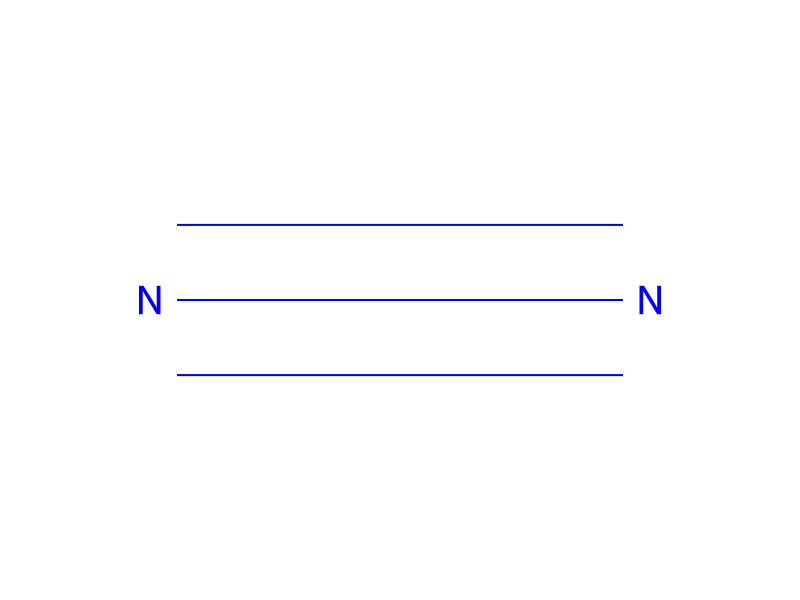






Conditions
- Temperature
- 180 °C
Procedure
A solution of 2,7-dibromonaphthalene (189) (20.0 g, 0.07 mol) in 1-methyl-2-pyrrolidinone (60 mL) was purged with N2 for 10 min. CUCN (7.52 g, 0.09 mol) and pyridine (0.5 mL) were added and the mixture was heated at 180° C. under N2 for 1.5 h. After cooling to 80° C., FeCl3 (40 g), water (200 mL) and conc. HCl (50 mL) were added and the mixture was stirred for 1 h at 80° C. The mixture was cooled, brine was added, and the mixture was extracted with CH2Cl2 (×3). The organic extracts were washed with aqueous HCl (2N, x2), water, 10% aqueous NaOH, brine, and dried. Chromatography eluting with CH2Cl2/petroleum ether (1:1, then 4:1) gave 7-bromo-2-naphthonitrile (190) (6.40 g, 39%) as a cream powder. A sample was recrystallised (petroleum ether) to give colorless needles: mp 126-128° C.; 1H NMR (CDCl3) δ 8.13 (s, 1H), 8.06 (d, J=1.5 Hz, 1H), 7.89 (d, J=8.5 Hz, 1H), 7.76 (d, J=8.8 Hz, 1H), 7.71 (dd, J=8.8, 1.9 Hz, 1H), 7.62 (dd, J=8.4, 1.5 Hz, 1H; 13C NMR δ 133.2, 133.0, 132.4, 130.6, 130.3, 129.6, 129.2, 126.8, 121.9, 118.7, 110.6. Anal. (C11H6BrN) C, H, N, Br.
Workup
- temperatureAfter cooling to 80° C.
- temperatureThe mixture was cooled
- extractionthe mixture was extracted with CH2Cl2 (×3)
- washThe organic extracts were washed with aqueous HCl (2N, x2), water, 10% aqueous NaOH, brine
- customdried
- washChromatography eluting with CH2Cl2/petroleum ether (1:1
Sources & evidence
- ORD record
- ord-4c6bd0bff3a34143aa508994df41bb06
- Source dataset
- uspto-grants-2010_05
- Patent number
- US07718688B2
Reaction notes
Loading…