Hydrochloric Acid → HCID 178524153, compound
Reaction equation

[OH-].[Li+].O.Cl.C(OC(C)C)(C)C.C[O:13][C:14]([C:16]1[CH:38]=[CH:37][C:19]2[NH:20][C:21]([C:23]3[C:35]4[C:34]5[C:29](=[CH:30][CH:31]=[CH:32][CH:33]=5)[C:28](=[O:36])[C:27]=4[CH:26]=[CH:25][CH:24]=3)=[N:22][C:18]=2[CH:17]=1)=[O:15]>CO>[C:14]([C:16]1[CH:38]=[CH:37][C:19]2[NH:20][C:21]([C:23]3[C:35]4[C:34]5[C:29](=[CH:30][CH:31]=[CH:32][CH:33]=5)[C:28](=[O:36])[C:27]=4[CH:26]=[CH:25][CH:24]=3)=[N:22][C:18]=2[CH:17]=1)([OH:15])=[O:13]Participants
Reactant 5




Product 1

Reagents, catalysts & solvents 1

Conditions
- Temperature
- 10 °C
Procedure
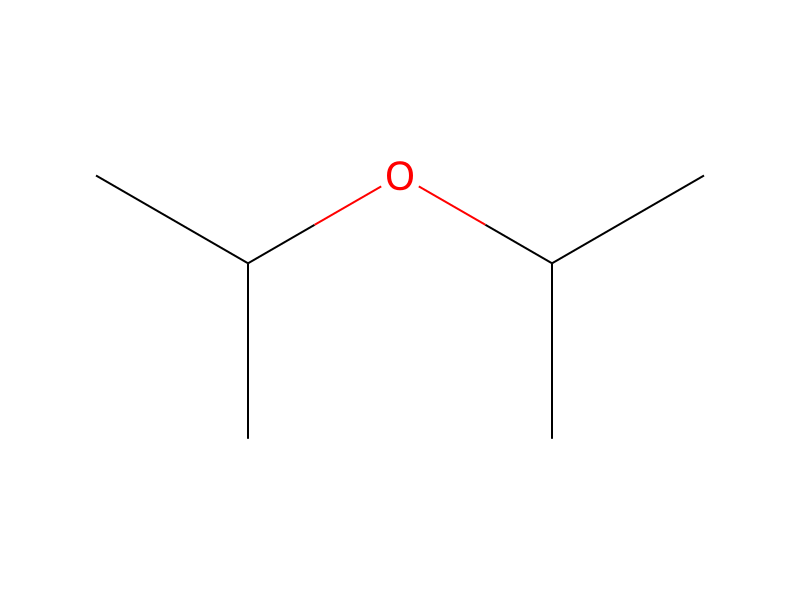
In a 50 ml round-bottomed flask under argon, dissolve 1 g of [4-(5-methoxycarbonyl-1H-benzimidazol-2-yl)-9H-fluoren-9-one, obtained as in stage 2 of Example 205, in 15 ml of methanol, and then add 5.9 ml of a 1.2M aqueous solution of lithium hydroxide and reflux for 24 hours. Bring to dryness under reduced pressure, add water, cool to 10° C., and then acidify to pH 4-5 with a 1M aqueous solution of hydrochloric acid. The crude product is filtered, washed with water and then dried. The solid obtained is made into a paste with diisopropyl ether, filtered and rinsed. In this way, we obtain 919 mg of 4-(5-carboxy-1H-benzimidazol-2-yl)-9H-fluoren-9-one, in the form of a yellow powder, which is used as it is in the following stage with the following characteristics:
Workup
- temperaturereflux for 24 hours
- filtrationThe crude product is filtered
- washwashed with water
- customdried
- customThe solid obtained
- filtrationfiltered
- washrinsed
Sources & evidence
- ORD record
- ord-021daa67b1a74c35868556c6793869db
- Source dataset
- uspto-grants-2010_03
- Patent number
- US07674795B2
Reaction notes
Loading…