Hydrochloric Acid → 2-(2-(2-Aminothiazol-4-yl)ethyl)isoindoline-1,3-dione hydrochloride
Reaction equation

[CH:1]1[CH:6]=[C:5]2[C:7]([N:9]([CH2:12][CH2:13][C:14]([CH2:16]Br)=O)[C:10](=[O:11])[C:4]2=[CH:3][CH:2]=1)=[O:8].[NH2:18][C:19]([NH2:21])=[S:20].[ClH:22]>C(O)CC>[CH:1]1[CH:6]=[C:5]2[C:7]([N:9]([CH2:12][CH2:13][C:14]3[N:18]=[C:19]([NH2:21])[S:20][CH:16]=3)[C:10](=[O:11])[C:4]2=[CH:3][CH:2]=1)=[O:8].[ClH:22]Participants
5



Procedure
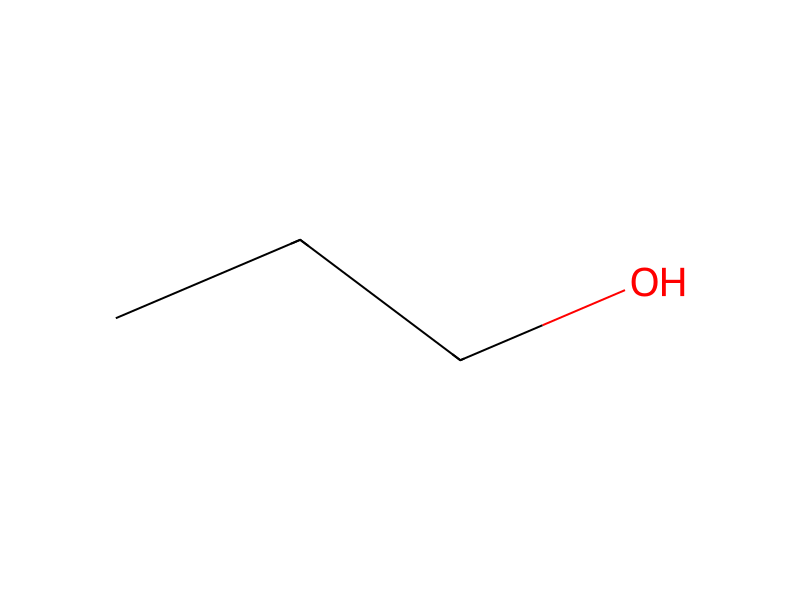
1-Bromo-4-N-phthalimido-2-butanone (50.0 g, 0.169 mol) and thiourea (25.71 g, 0.338 mol) were mixed with n-propanol (1000 ml) and concentrated hydrochloric acid (100 ml), and the reaction mixture was heated to reflux for 1.5 hour. After cooling, the precipitate was filtered and washed with n-propanol and ether. After air drying, the title product was obtained as a fluffy white solid (37.51 g, 0.121 mol, 72% yield), m.p. 230°-240° (decomp.).
Workup
- temperaturethe reaction mixture was heated
- temperatureto reflux for 1.5 hour
- temperatureAfter cooling
- filtrationthe precipitate was filtered
- washwashed with n-propanol and ether
- customAfter air drying
Sources & evidence
- ORD record
- ord-799a2794326549a88fe2587ce8766e2f
- Source dataset
- uspto-grants-1991_08
- Patent number
- US05037834
Reaction notes
Loading…