1-Butanol → Butyl Acrylate
Reaction equation

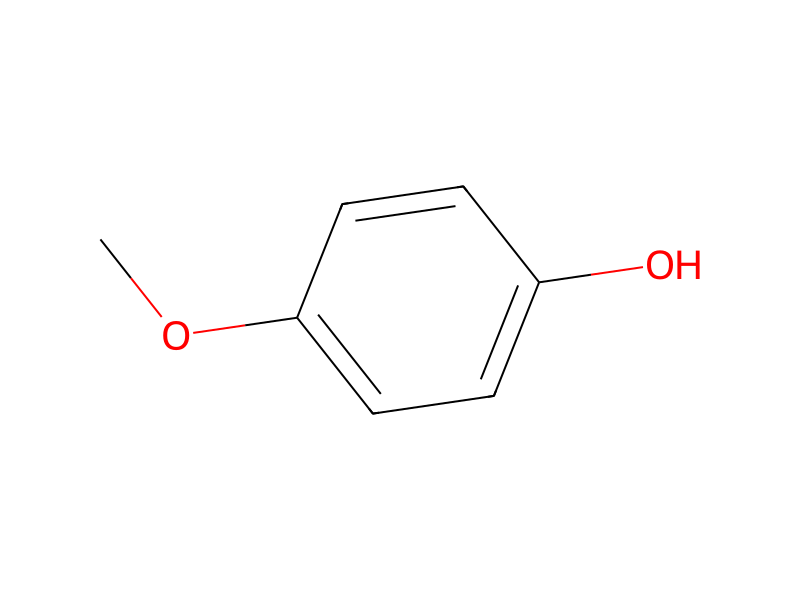
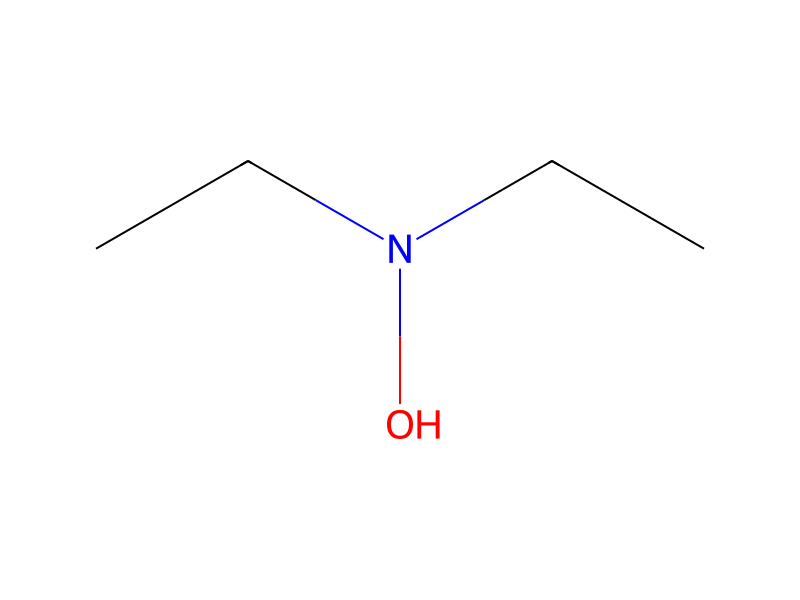
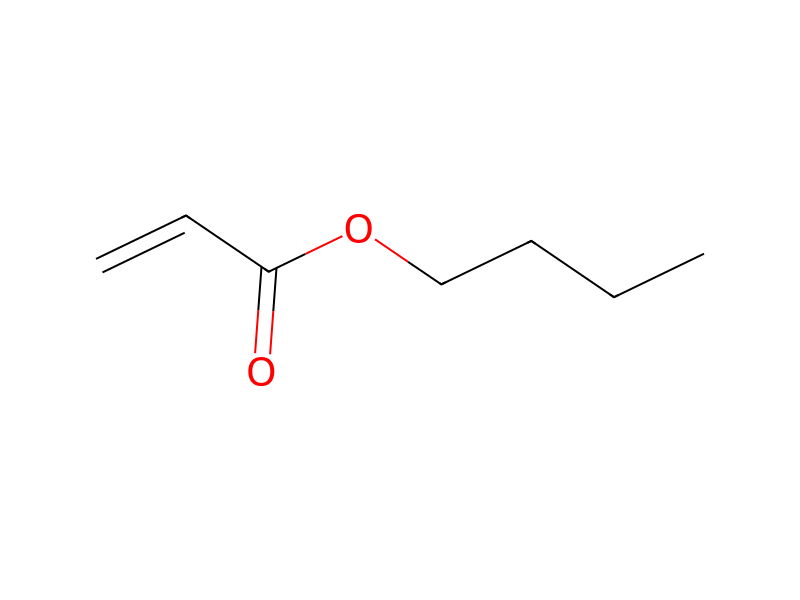
[CH2:1]([OH:5])[CH2:2][CH2:3][CH3:4].[C:6](OC)(=[O:9])[CH:7]=[CH2:8].COC1C=CC(O)=CC=1.C1C2NC3C(=CC=CC=3)SC=2C=CC=1.C(N(CC)O)C>CO>[C:6]([O:5][CH2:1][CH2:2][CH2:3][CH3:4])(=[O:9])[CH:7]=[CH2:8]Participants
7
Reactant 5



Product 1
Reagents, catalysts & solvents 1

Procedure
One hundred forty eight grams (2.0 moles) of n-butanol, 516 g (6.0 moles) methyl acrylate, 1.15 g hafnium acetylacetonate, 0.10 g of MEHQ inhibitor, 0.1 g phenothiazine, and 0.10 g diethylhydroxylamine were added to a 2 liter flask equipped as described in Example 3. The solution was heated at reflux (atmospheric pressure) while an azeotropic mixture of methyl acrylate and methanol was removed from the top of the column. The reaction was continued in this manner for 2 hours while the temperature at the top of the column was 62°-64° C. and the temperature in the reaction vessel was 82°-97° C. GLC analysis of the reaction mixture showed >99% conversion of the n-butanol to butyl acrylate.
Workup
- customequipped
- temperatureThe solution was heated
- temperatureat reflux (atmospheric pressure)
- customwas removed from the top of the column
- customwas 62°-64° C.
- customwas 82°-97° C
Sources & evidence
- ORD record
- ord-371ed2d4996d4413989b57804232e1b0
- Source dataset
- uspto-grants-1991_08
- Patent number
- US05037978
Reaction notes
Loading…