Hydrochloric Acid → (3,4-Dimethoxyphenyl)(hydroxy)acetonitrile
Reaction equation

[C-:1]#[N:2].[K+].[CH3:4][O:5][C:6]1[CH:7]=[C:8]([CH:11]=[C:12]([N+]([O-])=O)[C:13]=1[O:14][CH3:15])[CH:9]=[O:10].Cl.C#N>O.O1CCOCC1.CCOCC>[OH:10][CH:9]([C:8]1[CH:11]=[CH:12][C:13]([O:14][CH3:15])=[C:6]([O:5][CH3:4])[CH:7]=1)[C:1]#[N:2]Participants
Reactant 4

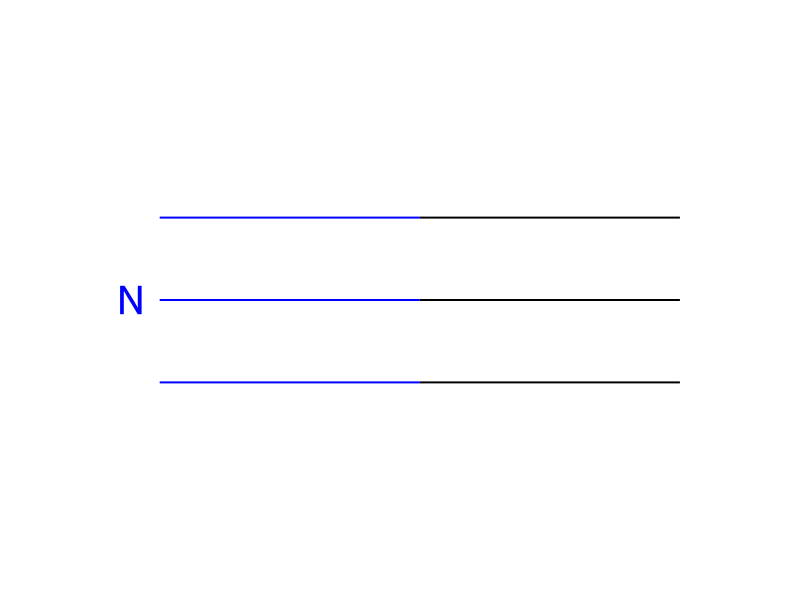


Product 1

Reagents, catalysts & solvents 3



Procedure
A solution of 14.68 g of potassium cyanide in 20 ml of water is added to a solution of 10.0 g of 3,4-dimethoxy-5-nitrobenzaldehyde in 100 ml of dioxane. 18.81 ml of 37 percent hydrochloric acid are now added dropwise thereto within 30 minutes while stirring vigorously. After the addition of 120 ml of ether, the excess hydrogen cyanide gas is driven off by passing argon through the mixture. The reaction mixture is filtered a siliceous earth filter aid, and the organic phase is washed with water dried over sodium sulfate and evaporated. The α-hydroxy-3,4-dimethoxy-phenylacetonitrile (yellowish oil) which is formed is dissolved in 200 ml of ether, whereupon the solution is treated with 20 ml of ethanol, cooled to 0° and hydrochloric acid gas is passed in for 30 minutes. After 3 hours, the separated colorless precipitate is filtered under suction and recrystallized from ethanol/ether. There is obtained ethyl (3,4-dimethoxy-5-nitrophenyl)hydroxy-acetimidate hydrochloride.
Workup
- filtrationThe reaction mixture is filtered a siliceous earth
- filtrationfilter aid
- washthe organic phase is washed with water
- dry with materialdried over sodium sulfate
- customevaporated
Sources & evidence
- ORD record
- ord-170f1b3b70974485978fea8f0d02c66b
- Source dataset
- uspto-grants-1993_08
- Patent number
- US05236952
Reaction notes
Loading…