Urea → Urea, 1-(p-fluorophenyl)-3-methyl-
Reaction equation

[F:1][C:2]1[CH:7]=[CH:6][C:5]([N:8]=[C:9]=[O:10])=[CH:4][CH:3]=1.CN.NC(N)=O.C(CC(O)=O)#N.N[C:24]1[N:29]([C:30]2[CH:35]=[CH:34][C:33]([F:36])=[CH:32][CH:31]=2)[C:28](=[O:37])[N:27]([CH3:38])[C:26](=[O:39])[CH:25]=1>>[CH3:26][NH:27][C:28]([NH:29][C:30]1[CH:35]=[CH:34][C:33]([F:36])=[CH:32][CH:31]=1)=[O:37].[CH3:28][N:29]([CH3:30])[C:24]1[N:8]([C:5]2[CH:6]=[CH:7][C:2]([F:1])=[CH:3][CH:4]=2)[C:9](=[O:10])[N:27]([CH3:38])[C:26](=[O:39])[CH:25]=1Participants

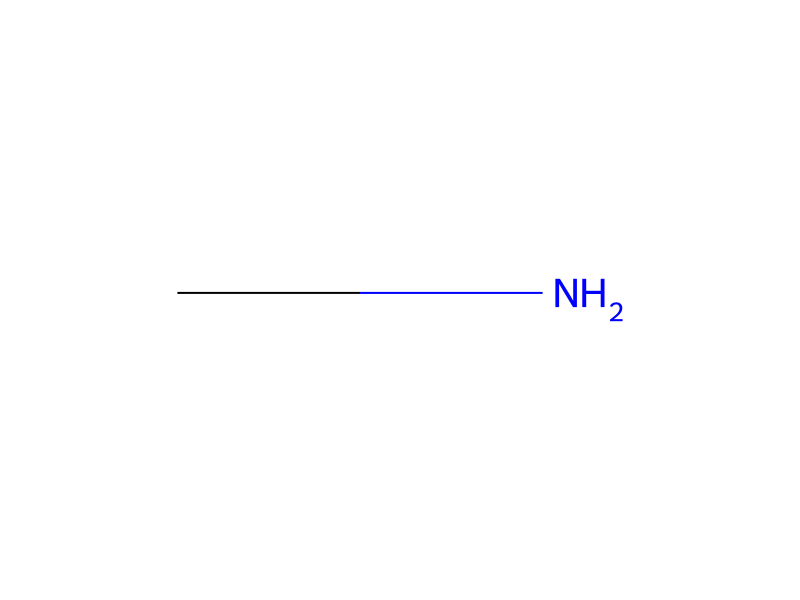


Procedure
N-Methyl-N'-(4-fluorophenyl)urea was prepared preliminarily from 4-fluorophenyl isocyanate and methylamine by the same procedure as in Reference Example 1. The urea compound as the starting material was reacted with cyanoacetic acid to form a uracil ring. Subsequently, 6-amino-1-(4-fluorophenyl)-3-methyluracil was treated as in Reference Example 2 so that the substituent amino group at the 6-position was converted to a dimethylamino group to yield 6-dimethylamino-1-(4-fluorophenyl)-3-methyluracil. Using a mixed acid that had been prepared with sulfuric acid and nitric acid, a nitro group was introduced into the 5-position of the uracil ring and then reduced with hydrogen gas to prepare 5-amino-6-dimethylamino-1-(4-fluorophenyl)-3-methyluracil.
Workup
- customto form a uracil ring
Sources & evidence
- ORD record
- ord-c1fb6534ce844ef689ca7b0210bea0dd
- Source dataset
- uspto-grants-1997_08
- Patent number
- US05661153
Reaction notes
Loading…