Hydrochloric Acid → 8-Cyano-octanoic acid
Reaction equation

[C:1]([C:3]([OH:5])=[O:4])#N.[C:6]([CH2:8][CH2:9][C:10]1C=C[C:13](C(O)=O)=[CH:12][CH:11]=1)#[N:7].BrCCCCCCCC(O)=O.[C-]#N.[Na+].Cl.C#N>CO.O.CCOC(C)=O>[C:6]([CH2:8][CH2:9][CH2:10][CH2:11][CH2:12][CH2:13][CH2:1][C:3]([OH:5])=[O:4])#[N:7]Participants
Reactant 6

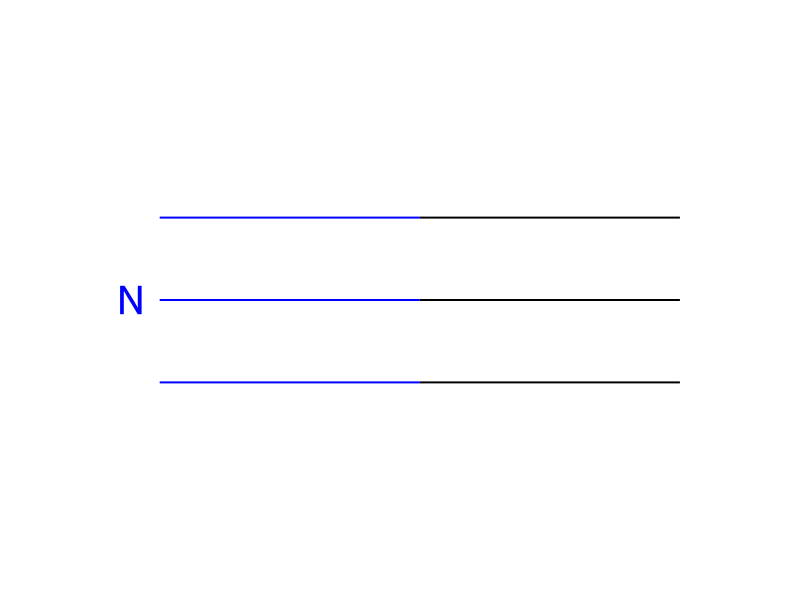



Product 1

Reagents, catalysts & solvents 3



Conditions
- Temperature
- 25 °C
Procedure
The preparation of the cyano-carboxylic acid representing substrate B10 was adapted from a procedure for the preparation of 4-(2-cyanoethyl)benzoic acid (Delia, T. J., Baumann, M., Bunker, A. Heterocycles, 35, 1397-1410 (1993)). To 501 mg (2.25 mmol) of 8-bromooctanoic acid in 7.0 mL of methanol was added 520 mg NaCN (10.6 mmol) in 2.0 mL H2O. The solution was heated at reflux for 2.5 h. After cooling to 25° C., the solution was acidified to pH˜1.5 with concentrated HCl (caution: HCN gas evolves with the addition of HCl) and diluted with 40 mL EtOAc. The resulting suspension was washed twice with 15 mL H2O. The organic layer was dried by filtration through MgSO4, and the solvent was removed in vacuo to afford 282 mg (74%) of a light brown oil. The 1H NMR spectrum agreed with previously reported data in Cotarca et al. Synthesis 1997, 328-332.
Workup
- temperatureThe solution was heated
- temperatureat reflux for 2.5 h
- washThe resulting suspension was washed twice with 15 mL H2O
- dry with materialThe organic layer was dried by filtration through MgSO4
- customthe solvent was removed in vacuo
Sources & evidence
- ORD record
- ord-bf4dae2888a34d50bc8b16151956da22
- Source dataset
- uspto-grants-2010_12
- Patent number
- US07851658B2
Reaction notes
Loading…