Benzyl Bromide → HCID 24850968, compound
Reaction equation

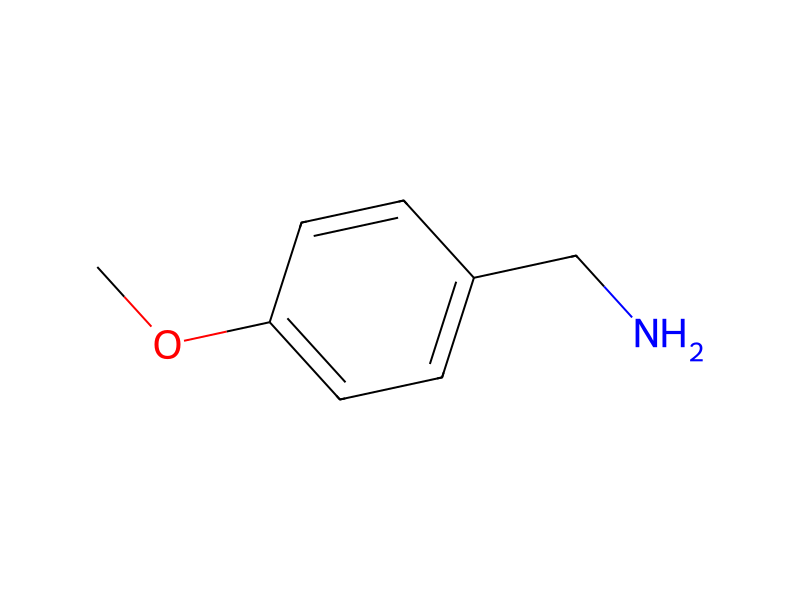
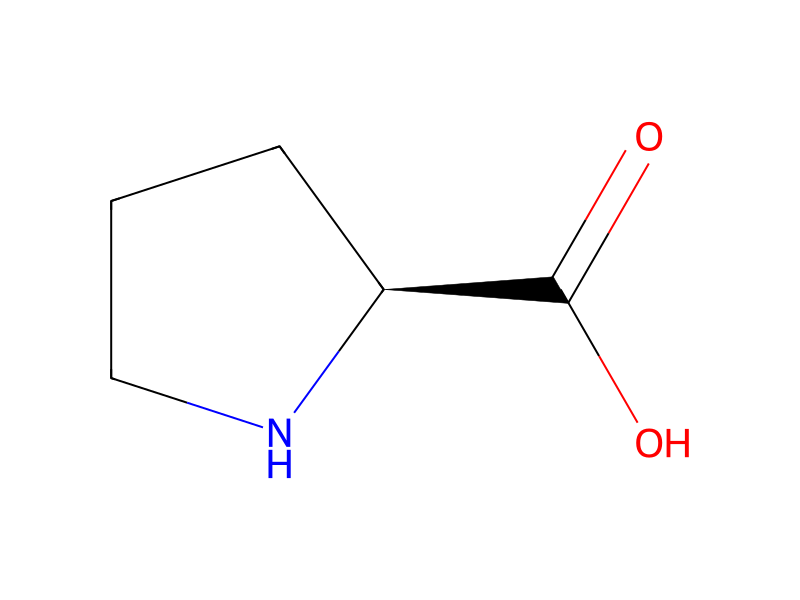
[C:1](OC(=O)[O-])(C)(C)C.C(Br)C1C=CC=CC=1.[OH:17][C@@H:18]1[C@H:23]([OH:24])[C@@H:22]([O:25][CH3:26])[C:21]([CH3:28])([CH3:27])[O:20][C@H:19]1[O:29][C:30]1[C:39]([CH3:40])=[C:38]2[C:33]([CH:34]=[C:35]([NH:42][C:43]([C:45]3[CH:46]=[C:47]([C:53]4[CH:58]=[CH:57][CH:56]=[C:55](C)[CH:54]=4)[C:48]([O:51][CH3:52])=[CH:49][CH:50]=3)=[O:44])[C:36](=[O:41])[O:37]2)=[CH:32][CH:31]=1.COC1C=CC(CN)=CC=1>[Cu]I.N1CCC[C@H]1C(O)=O>[OH:17][C@@H:18]1[C@H:23]([OH:24])[C@@H:22]([O:25][CH3:26])[C:21]([CH3:28])([CH3:27])[O:20][C@H:19]1[O:29][C:30]1[C:39]([CH3:40])=[C:38]2[C:33]([CH:34]=[C:35]([NH:42][C:43]([C:45]3[CH:46]=[C:47]([C:53]4[CH:54]=[CH:55][C:56]([CH3:1])=[CH:57][CH:58]=4)[C:48]([O:51][CH3:52])=[CH:49][CH:50]=3)=[O:44])[C:36](=[O:41])[O:37]2)=[CH:32][CH:31]=1Participants
Reactant 4



Product 1

Reagents, catalysts & solvents 2

Procedure
In this example, novobiocin analogues containing a quinoline or naphthalene ring in lieu of the 8-methylcoumarin of novobiocin were synthesized to probe the importance of the coumarin lactone moiety in binding the Hsp90 C-terminus, as well as to potentially circumvent the limited solubility of coumarin-containing analogues. Protection of the phenol in 27 as the t-butyl-carbonate served two purposes as shown in the scheme below. See Hansen, M. M.; Riggs, J. R. Tetrahedron Lett. 39 2705-2706 (1998). Not only did phenol protection remove the quinolone-like properties of 27, introduction of the sterically-hindered t-butyl-carbonate also decreased the relative amount of 6-bromo and 8-bromo regioisomers normally produced upon bromination of 28. Thus, the isolable percentage of desired 3-bromo regioisomer was enriched to 46% yield. See Zymalkowski, F.; Tinapp, P. Justus Liebigs Ann. Chem. 699 98-106 (1966). One-pot t-butyl-carbonate deprotection, followed by immediate reprotection with benzyl bromide afforded intermediate 30. N-arylation of 30 was accomplished with p-methoxybenzylamine under Ullman-like conditions employing CuI and L-(−)-proline as a catalyst to provide 31. See Zhang, H.; Cai, Q.; Ma, D. J. Org. Chem. 70 5164-5173 (2005). Acylation of the secondary aniline with the desired benzoyl chloride, generated in situ from the appropriate benzoic acid, afforded PMB-protected amide 32. See Ulbrich, H. K.; Luxenburger, A.; Prech, P.; Eriksson, E. E.; Soehnlein, O.; Rotzius, P.; Lindborn, L.; Dannhardt, G. J. Med. Chem. 49, 5988-5999 (2006); Jin, Y.; Zhou, Z.-Y.; Tian, W.; Yu, Q.; Long, Y.-Q. Bioorg. Med. Chem. Lett., 16, 5864-5869 (2006). Interestingly, subjection of 32 to aluminum trichloride in anisole57 resulted solely in the formation of 7-hydroxy 33; the PMB-protected amide remained intact. Global removal of the PMB and benzyl groups was ultimately accomplished with trifluoroacetic acid, to provide phenol 34. See Das, J.; Chen, P.; Norris, D.; Padmanabha, R.; Lin, J.; Moquin, R. V.; Shen, Z.; Cook, L. S.; Doweyko, A. M.; Pitt, S.; Pang, S.; Shen, D. R.; Fang, Q.; de Fex, H. F.; McIntyre, K. W.; Shuster, D. J.; Gillooly, K. M.; Behnia, K.; Schieven, G. L.; Wityak, J.; Barrish, J. C. J. Med. Chem. 49 6819-6832 (2006).
Sources & evidence
- ORD record
- ord-a5e6d39c5c944610a2a850c7c1e2a97b
- Source dataset
- uspto-grants-2015_09
- Patent number
- US09120774B2
Reaction notes
Loading…