Hydrochloric Acid → 1-Cyclopentyl-2-(trifluoromethyl)benzene
Reaction equation

[Mg].CN(C)CCN(C)C.Br[C:11]1[CH:16]=[CH:15][CH:14]=[CH:13][C:12]=1[C:17]([F:20])([F:19])[F:18].Br[CH:22]1[CH2:26][CH2:25][CH2:24][CH2:23]1.Cl>C1COCC1>[CH:22]1([C:11]2[CH:16]=[CH:15][CH:14]=[CH:13][C:12]=2[C:17]([F:20])([F:19])[F:18])[CH2:26][CH2:25][CH2:24][CH2:23]1Participants
Reactant 5

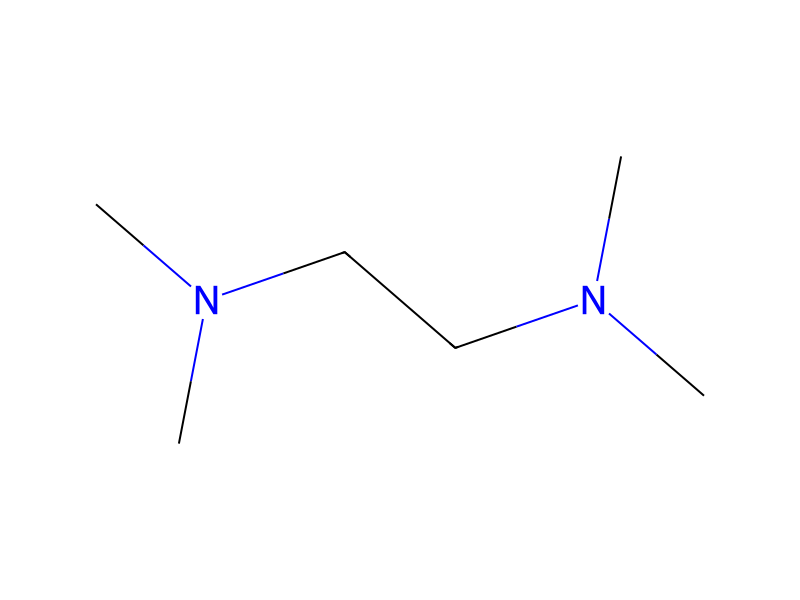



Product 1

Reagents, catalysts & solvents 1

Conditions
- Temperature
- 10 °C
Procedure
In a 5 L 3-necked, round-bottomed flask fitted with a mechanical stirrer, a temperature probe, a dry nitrogen inlet, a condenser and an addition funnel was placed anhydrous THF (750 mL) and magnesium (40.5 g, 1667 mmol) under N2. The slurry was cooled to 10° C. in an ice bath. A solution of FeCl3 (18.02 g, 111 mmol) in anhydrous THF (80 mL) (Note: dissolution of FeCl3 in THF was exothermic) was added dropwise to the magnesium slurry via a syringe. N1,N1,N2,N2-tetramethylethane-1,2-diamine (201 mL, 1333 mmol) was added to the reaction mixture via a 500 mL addition funnel at 15° C. causing the temperature to go up to 22.5° C. The reaction mixture was cooled to 18° C. and stirred at that temperature for 1 h and 45 min. It was then heated to 44-45° C., stirred for 1 h, cooled to 5-10° C., and added a mixture of 1-bromo-2-(trifluoromethyl)benzene (150 mL, 1111 mmol) and bromocyclopentane (143 mL, 1333 mmol) dropwise while keeping internal temperature under 30° C. (temperature was maintained between 22 to 30° C.). After addition was complete, the reaction mixture was cooled to 17-18° C. and stirred overnight at room temperature. This main reaction mixture was cooled to 10° C. and added magnesium (15 g). Meanwhile, in a separate 1 L round-bottomed flask under N2, Mg (20 g, 0.5 eq) in THF (300 mL) was added a solution of FeCl3 (9 g, 0.5 eq) in anhydrous THF (30 mL) like described above. The obtained mixture was stirred at room temperature for 30 min, heated to 45° C. for 1 h, cooled to room temperature, and added dropwise into the main reaction mixture via an addition funnel (remaining magnesium was transferred by a spatula) while keeping the internal temperature under 30° C. The reaction was continued at room temperature for 1 h, cooled to 5° C. (ice bath) and quenched slowly with saturated NH4Cl solution (150 mL) (quench was exothermic satd. NH4Cl was added slowly with efficient stirring). Celite was added after quenching the reaction and stirred well. The mixture was filtered through a 3 L sintered funnel. The filter cake was washed with THF. The filtrate was concentrated under reduced pressure at 37° C. (bath temperature)/155 Torr to obtain a brown oil. The oil was cooled by ice bath and 6N HCl (500 mL) was poured into it slowly with efficient stirring) (addition of HCl was exothermic initially, then the exotherm subsided). The mixture was extracted with hexane (2×400 mL). The hexane layer was separated out and filtered through a pad of celite. The filtrate (hexane layer) was washed with water (3×300 mL), dried (Na2SO4) and silica (550 g) added; slurried well. The slurry was filtered and the filtrate (light yellow in color) was concentrated under reduced pressure (rotavapor; bath temp. 37 C at 185-188 Torr), to give the title compound as a light orange oil, (190 g, 91.4% purity by LC at 214 nm). 1H NMR (400 MHz, DMSO-d6) δ 1.56-1.71 (m, 4H), 1.80-1.88 (m, 2H), 1.96-2.05 (m, 2H), 3.22-3.29 (m, 1H), 7.35-7.40 (m, 1H), 7.16-7.65 (m, 2H).
Workup
- customIn a 5 L 3-necked, round-bottomed flask fitted with a mechanical stirrer
- customto go up to 22.5° C
- temperatureThe reaction mixture was cooled to 18° C.
- temperatureIt was then heated to 44-45° C.
- stirringstirred for 1 h
- temperaturecooled to 5-10° C.
- additionadded
- customunder 30° C.
- temperature(temperature was maintained between 22 to 30° C.)
- additionAfter addition
- temperaturethe reaction mixture was cooled to 17-18° C.
- stirringstirred overnight at room temperature
- temperatureThis main reaction mixture was cooled to 10° C.
- stirringThe obtained mixture was stirred at room temperature for 30 min
- temperatureheated to 45° C. for 1 h
- temperaturecooled to room temperature
- additionadded dropwise into the main reaction mixture via an addition funnel (
- customunder 30° C
- waitThe reaction was continued at room temperature for 1 h
- temperaturecooled to 5° C. (ice bath)
- customquenched slowly with saturated NH4Cl solution (150 mL) (
- customquench
- additionNH4Cl was added slowly
- stirringwith efficient stirring)
- additionCelite was added
- customafter quenching
- customthe reaction
- stirringstirred well
- filtrationThe mixture was filtered through a 3 L sintered funnel
- washThe filter cake was washed with THF
- concentrationThe filtrate was concentrated under reduced pressure at 37° C. (bath temperature)/155 Torr
- customto obtain a brown oil
- temperatureThe oil was cooled by ice bath
- stirringwith efficient stirring) (
- extractionThe mixture was extracted with hexane (2×400 mL)
- customThe hexane layer was separated out
- filtrationfiltered through a pad of celite
- washThe filtrate (hexane layer) was washed with water (3×300 mL)
- dry with materialdried (Na2SO4) and silica (550 g)
- additionadded
- filtrationThe slurry was filtered
- concentrationthe filtrate (light yellow in color) was concentrated under reduced pressure (rotavapor; bath temp. 37 C at 185-188 Torr)
Sources & evidence
- ORD record
- ord-e222e0e467d149eb97b02819a7fd10b2
- Source dataset
- uspto-grants-2015_09
- Patent number
- US09126932B2
Reaction notes
Loading…