Ethyl Acetate → Acridine, 1,9-diamino-
Reaction equation

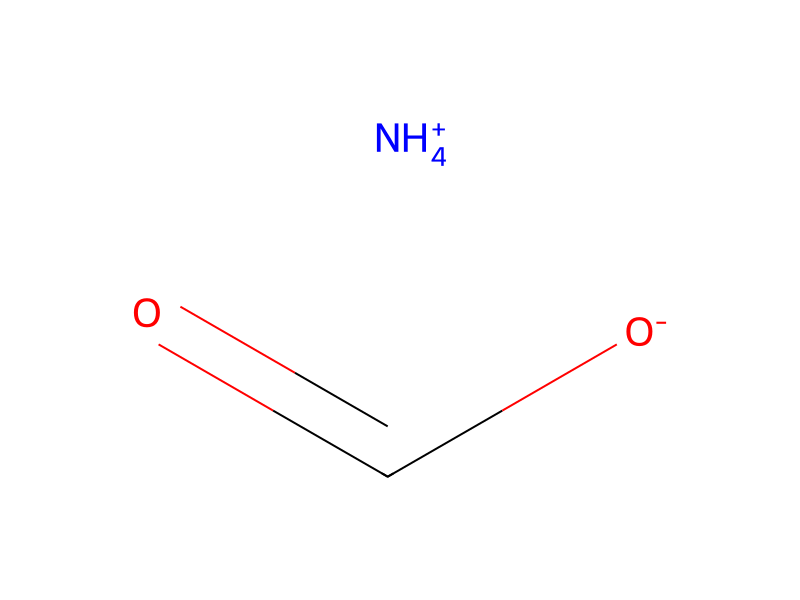
[N+:1]([C:4]1[C:17]2[C:8](=[N:9][C:10]3[C:15]([C:16]=2[NH2:18])=[CH:14][CH:13]=[CH:12][CH:11]=3)[CH:7]=[CH:6][CH:5]=1)([O-])=O.C(OCC)(=O)C.C([O-])=O.[NH4+]>CO>[NH2:1][C:4]1[C:17]2[C:8](=[N:9][C:10]3[C:15]([C:16]=2[NH2:18])=[CH:14][CH:13]=[CH:12][CH:11]=3)[CH:7]=[CH:6][CH:5]=1Participants
Reactant 3


Product 1

Reagents, catalysts & solvents 1

Procedure
To a 50 mL rbf equipped with a nitrogen bubbler were charged 1-nitro-9-aminoacridine (162 mg, 0.68 mmol) and ethyl acetate (3.4 mL). Methanol (1.7 mL) and Pd/Alumina 10% (22 mg) were added and the reaction mixture was stirred to a fine suspension. Ammonium formate (85 mg, 1.35 mmol) was added and the mixture was stirred for 20 min at room temperature. A further portion of ammonium formate (128 mg, 2.03 mmol) was then added. Stirring was maintained overnight. The reaction mixture was filtered to remove catalyst and concentrated to dryness. The residue was purified by flashmaster column eluting with a gradient elution (DCM→DCM:MeOH 98:2) to afford pure 1,9-diaminoacridine as a brown-yellow solid (57 mg, 40%). 1H NMR and LCMS analyses conformed to structure.
Workup
- customTo a 50 mL rbf equipped with a nitrogen bubbler
- stirringthe mixture was stirred for 20 min at room temperature
- stirringStirring
- temperaturewas maintained overnight
- filtrationThe reaction mixture was filtered
- customto remove catalyst
- concentrationconcentrated to dryness
- customThe residue was purified by flashmaster column
- washeluting with a gradient elution (DCM→DCM:MeOH 98:2)
Sources & evidence
- ORD record
- ord-44cfd1ec72974077914e63b9e341ab24
- Source dataset
- uspto-grants-2015_09
- Patent number
- US09127164B2
Reaction notes
Loading…