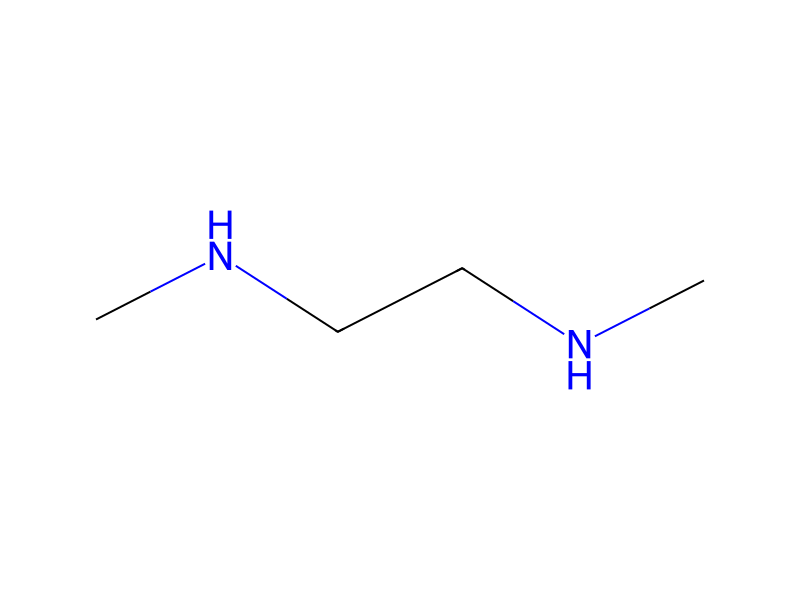
N,N'-Dimethylethylenediamine → HCID 86685957, compound
Reaction equation

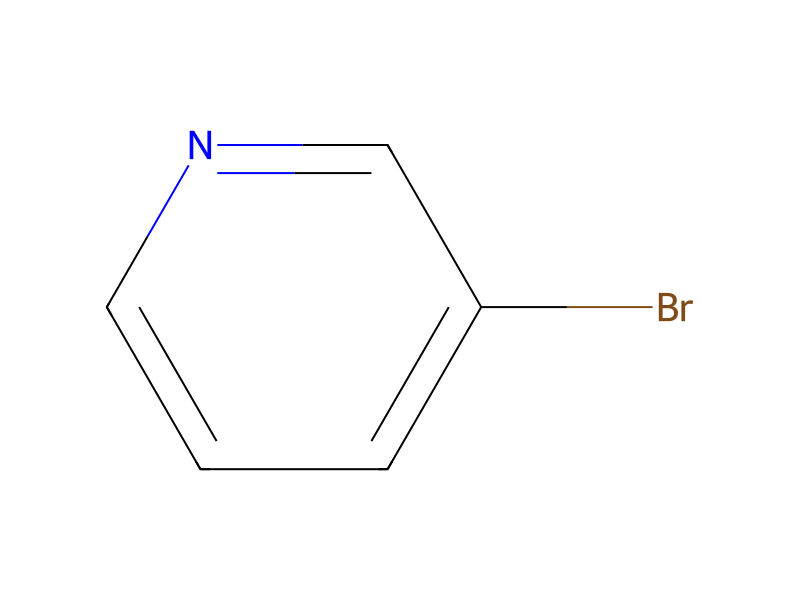
Br[C:2]1[CH:3]=[N:4][CH:5]=[CH:6][CH:7]=1.[Cl:8][C:9]1[CH:10]=[C:11]2[C:16](=[CH:17][CH:18]=1)[C:15](=[O:19])[NH:14][CH2:13][CH2:12]2.C(=O)([O-])[O-].[K+].[K+].CNCCNC>O1CCOCC1.[Cu]I>[Cl:8][C:9]1[CH:10]=[C:11]2[C:16](=[CH:17][CH:18]=1)[C:15](=[O:19])[N:14]([C:2]1[CH:3]=[N:4][CH:5]=[CH:6][CH:7]=1)[CH2:13][CH2:12]2Participants
7
Reactant 4


Product 1

Reagents, catalysts & solvents 2


Conditions
- Temperature
- 110 °C
Procedure
In a sealed tube, 3-bromopyridine (0.1 g, 0.633 mmol) was combined with 6-chloro-3,4-dihydroisoquinolin-1(2H)-one (intermediate A-2) (0.115 g, 633 mmol), copper (I) iodide (0.012 g, 0.063 mmol), potassium carbonate (0.175 g, 1.27 mmol) and N,N′-dimethylethylenediamine (0.013 g, 0.127 mmol) in 1,4-dioxane (2 mL). The reaction mixture was heated at 110° C. overnight. The mixture was cooled to room temperature, filtered through dicalite and washed with DCM. The residue was purified by silica gel flash chromatography eluting with a 5 to 100% EtOAc-heptane gradient to give the title compound (0.107 g, 65%) as a white solid. MS: 259.1 (M+H+).
Workup
- temperatureThe mixture was cooled to room temperature
- filtrationfiltered through dicalite
- washwashed with DCM
- customThe residue was purified by silica gel flash chromatography
- washeluting with a 5 to 100% EtOAc-heptane gradient
Sources & evidence
- ORD record
- ord-7ca1c58e630644b5b72005aa55c1ae38
- Source dataset
- uspto-grants-2015_09
- Patent number
- US09133158B2
Reaction notes
Loading…