Hydrazine hydrate (1:1) → HCID 178433738, compound
Reaction equation

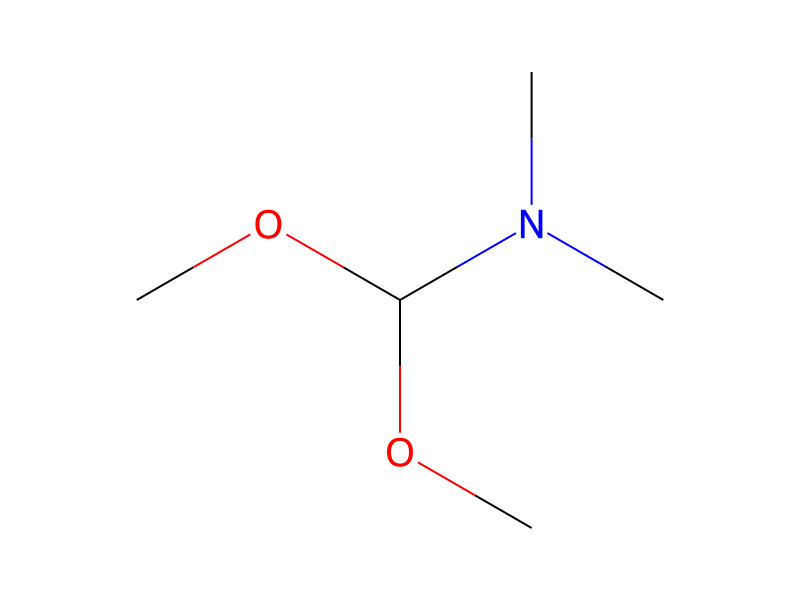
[CH:1]1([C:7]2[N:8]=[C:9]([C:15]3[C:16]([CH3:24])=[N:17][N:18]4[CH:23]=[CH:22][CH:21]=[CH:20][C:19]=34)[S:10][C:11]=2[C:12]([NH2:14])=O)[CH2:6][CH2:5][CH2:4][CH2:3][CH2:2]1.COC(OC)[N:28]([CH3:30])C.O.[NH2:34]N>C(O)(=O)C>[CH:1]1([C:7]2[N:8]=[C:9]([C:15]3[C:16]([CH3:24])=[N:17][N:18]4[CH:23]=[CH:22][CH:21]=[CH:20][C:19]=34)[S:10][C:11]=2[C:12]2[NH:28][CH:30]=[N:34][N:14]=2)[CH2:6][CH2:5][CH2:4][CH2:3][CH2:2]1Participants
5
Reactant 3


Product 1

Reagents, catalysts & solvents 1

Procedure
Using 4-cyclohexyl-2-(2-methylpyrazolo[1,5-a]pyridin-3-yl)-1,3-thiazole-5-carboxamide (200 mg, 0.6 mmol), N,N-dimethylformamide dimethyl acetal (15 mL), acetic acid (25 mL) and hydrazine monohydrate (0.3 mL) as starting materials and in the same manner as in Example 13-B (vi), the title compound (146 mg, 68%) was obtained as a white solid.
Sources & evidence
- ORD record
- ord-77c56d9df72a487d81c8a20091db1488
- Source dataset
- uspto-grants-2015_09
- Patent number
- US09139589B2
Reaction notes
Loading…